
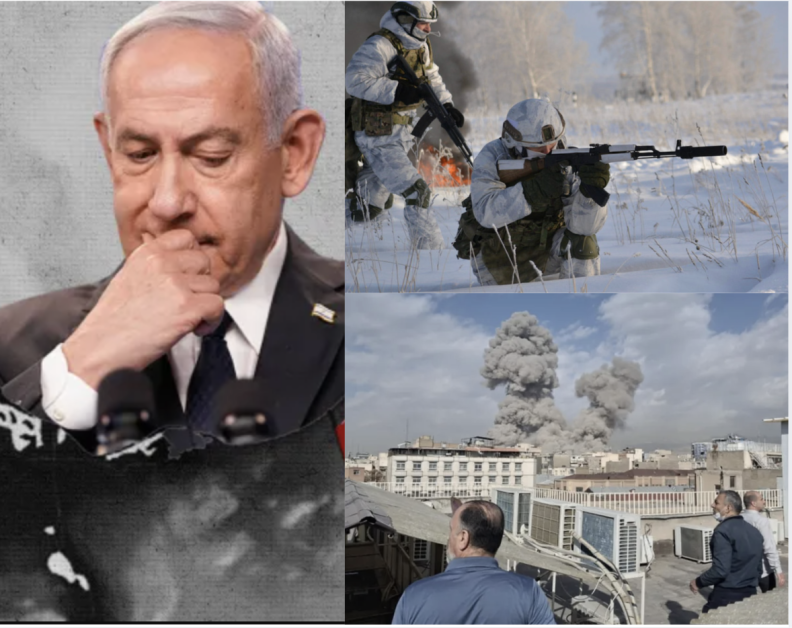
Gold, Silver & Copper in Times of War: What Investors Must Watch
2026-03-04
When tanks crossed into Ukraine in 2022, commodity desks reacted before diplomats did. Within hours of the Russian invasion of Ukraine, gold futures surged, oil spiked, and copper swung violently as traders recalibrated global supply chains and inflation expectations.
Subsequent flashpoints — from the war involving Israel and the Gaza Strip to mounting tensions surrounding Iran — reinforced a clear pattern: geopolitical instability is no longer episodic risk; it is a structural input into asset pricing.
For institutional investors, gold, silver and copper are not merely commodities. They are macro instruments — expressing views on inflation, real yields, energy security, industrial growth and sovereign trust.
Understanding how these metals swing — and when they stabilize — is essential in a decade defined by fragmentation, sanctions and resource nationalism.
Geopolitical Shock #1: War in Eastern Europe
The 2022 invasion of Ukraine by Russia triggered immediate commodity volatility.

Immediate Market Reaction (0–4 Weeks)
Gold surged as investors fled to safe havens.
Silver followed, but with sharper swings.
Copper initially spiked due to supply fears (Russia is a key commodity exporter).
Why the spike?
Sanctions risk
Energy price shock (Russia is a major oil & gas exporter)
Inflation fears
Secondary Phase (1–6 Months)
Gold remained elevated as inflation accelerated globally.
Silver became more volatile due to recession fears.
Copper declined as global growth expectations weakened.
Stabilization Pattern
Stabilization typically begins when:
Sanctions impacts are priced in
Supply routes adjust
Central banks communicate policy clearly
Historically, gold stabilizes once interest rate direction becomes clear. Copper stabilizes when growth forecasts stop deteriorating.
Geopolitical Shock #2: Conflict in the Middle East

The 2023 war involving Israel and armed groups in Gaza Strip added oil-market sensitivity.
Typical Swing Pattern
Phase 1: Headline Spike
Gold rallies sharply within days.
Oil jumps → inflation expectations rise.
Silver rises but remains choppy.
Phase 2: Containment Assessment
Markets assess whether the conflict spreads regionally.
If contained:
Gold retraces part of the spike.
Silver follows broader economic signals.
Copper barely reacts unless shipping lanes are threatened.
When Stabilization Kicks In
Stability tends to return once:
Regional escalation risk declines
Oil prices settle
Volatility index (VIX) retreats
Geopolitical Shock #3: Escalation Risk Involving Iran

Tensions involving Iran primarily affect metals through energy markets.
Why Energy Matters
Oil shocks increase:
Inflation
Rate uncertainty
Currency volatility
Gold benefits when real yields fall or inflation expectations rise faster than rates.
Copper, however, weakens if higher energy costs threaten global growth.
How Precious Metals Typically Swing
| Phase | Gold | Silver | Copper |
|---|---|---|---|
| Shock | Sharp rally | Larger rally | Supply spike |
| Policy Response | Consolidates | Volatile | Weakens on growth fear |
| Stabilization | Trades with rates | Tracks industrial demand | Recovers on growth clarity |
What Investors Should Monitor
U.S. real yields
Oil price direction
Central bank gold purchases
Sanctions on mining exports
Shipping disruptions
Historical Pattern: Gold peaks during maximum uncertainty. Stabilization follows clarity on monetary policy and conflict containment
Conclusion
History shows that metals rarely peak when wars begin — they peak when uncertainty is greatest.
Gold tends to surge during the shock phase, but its longer-term trajectory is dictated less by conflict itself and more by real interest rates and central bank behavior. Silver amplifies both fear and recovery, acting as a high-beta version of gold with industrial sensitivity. Copper, by contrast, ultimately trades on growth expectations — retreating when recession risk rises and stabilizing when fiscal spending and reconstruction become visible.
Stabilization typically arrives not with peace agreements, but with clarity: clarity on sanctions, on energy supply, and most critically, on monetary policy.
For investors, the lesson is less about predicting geopolitical headlines and more about tracking second-order effects — real yields, oil volatility and capital flows. In an era where geopolitical risk is persistent, metals are not tactical trades. They are strategic hedges against systemic uncertainty.

Stay updated with our latest news and articles. Join our newsletter!
Trending Now
No trending posts found.
Related Articles
Debug: Tags used: gold prices war, silver market trends, copper prices geopolitics, Russian invasion Ukraine metals, Gaza war gold, Iran conflict commodities, safe haven assets 2026, precious metals investing strategy