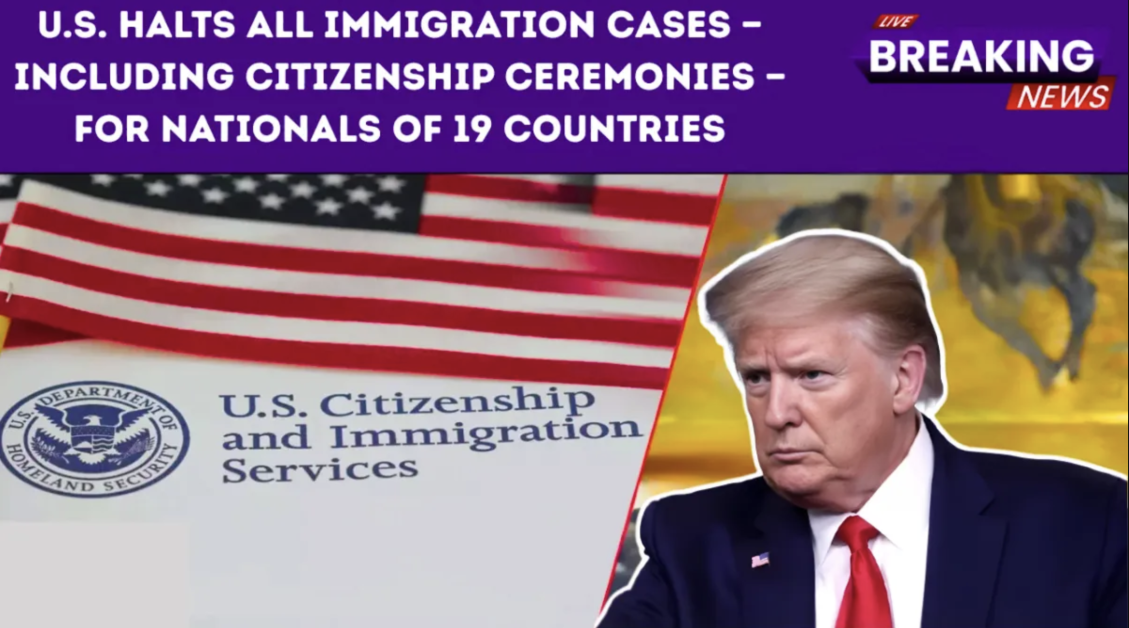

Trump Administration Plans Visa Revocation for 200,000 Asylum Seekers
2026-08-26
Trump Administration Plans Historic Visa Revocation for Up to 200,000 Asylum Seekers
The Trump administration is reportedly preparing a sweeping immigration action that could result in the revocation of B-1 business and B-2 tourist visas for as many as 200,000 foreign nationals currently seeking asylum in the United States.
If implemented at the reported scale, the move could become one of the largest coordinated visa revocation efforts in modern U.S. immigration history. The policy is expected to focus on individuals who initially entered the country on temporary visitor visas but later applied for asylum or currently have asylum claims pending.
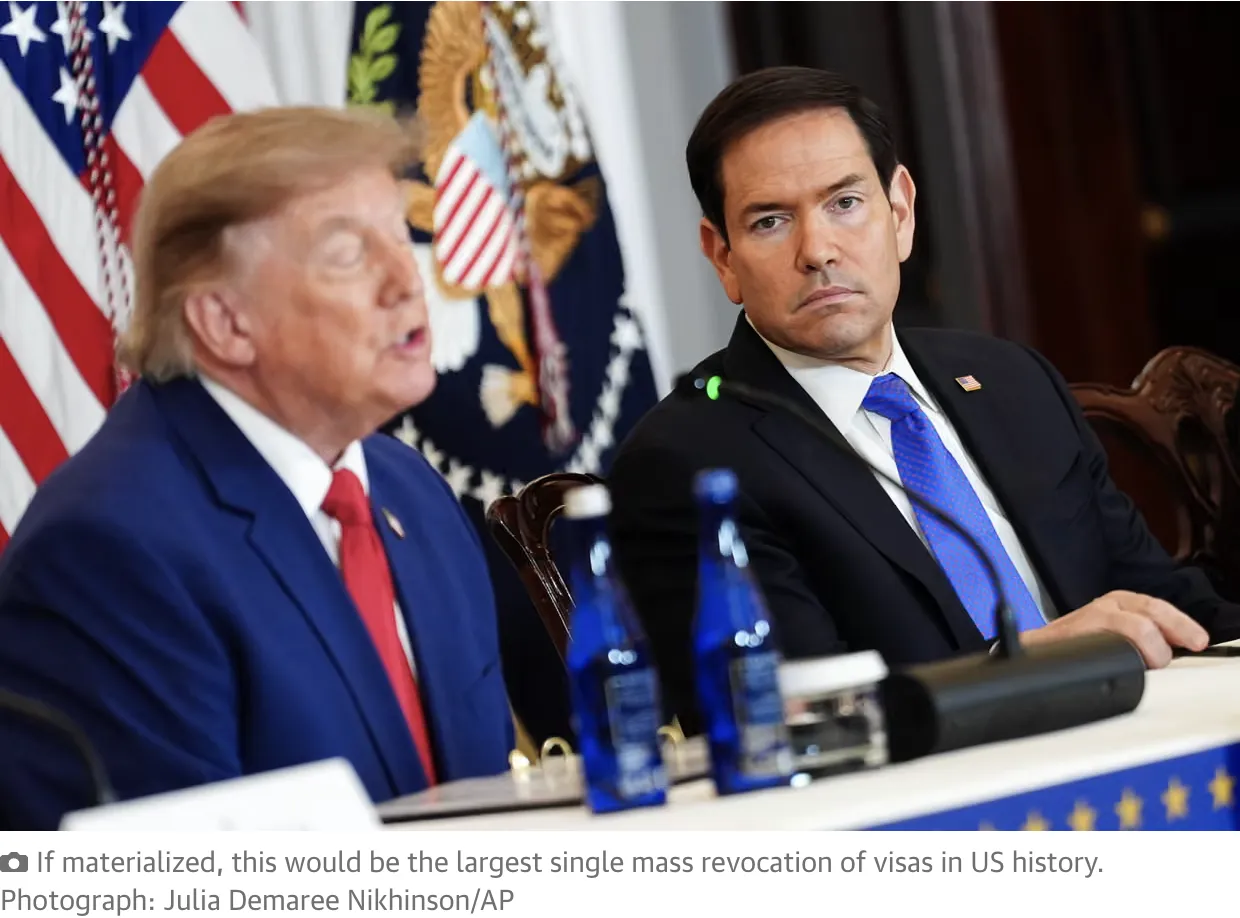
The proposed action reflects the administration's broader effort to tighten immigration enforcement, increase scrutiny of nonimmigrant visa holders and challenge what officials describe as the misuse of temporary visitor visas to establish long-term residence in the United States.
Why the Trump Administration Is Targeting B-1 and B-2 Visa Holders
According to reports citing internal State Department discussions, U.S. authorities are examining cases involving foreign nationals who entered the country as tourists or business visitors before filing asylum applications.
B-1 and B-2 visas are designed for temporary travel. A B-1 visa generally covers certain business-related activities, while a B-2 visa is primarily issued for tourism, visiting family and medical treatment.
The administration's position is expected to focus on whether certain applicants misrepresented their intentions when seeking entry to the United States.
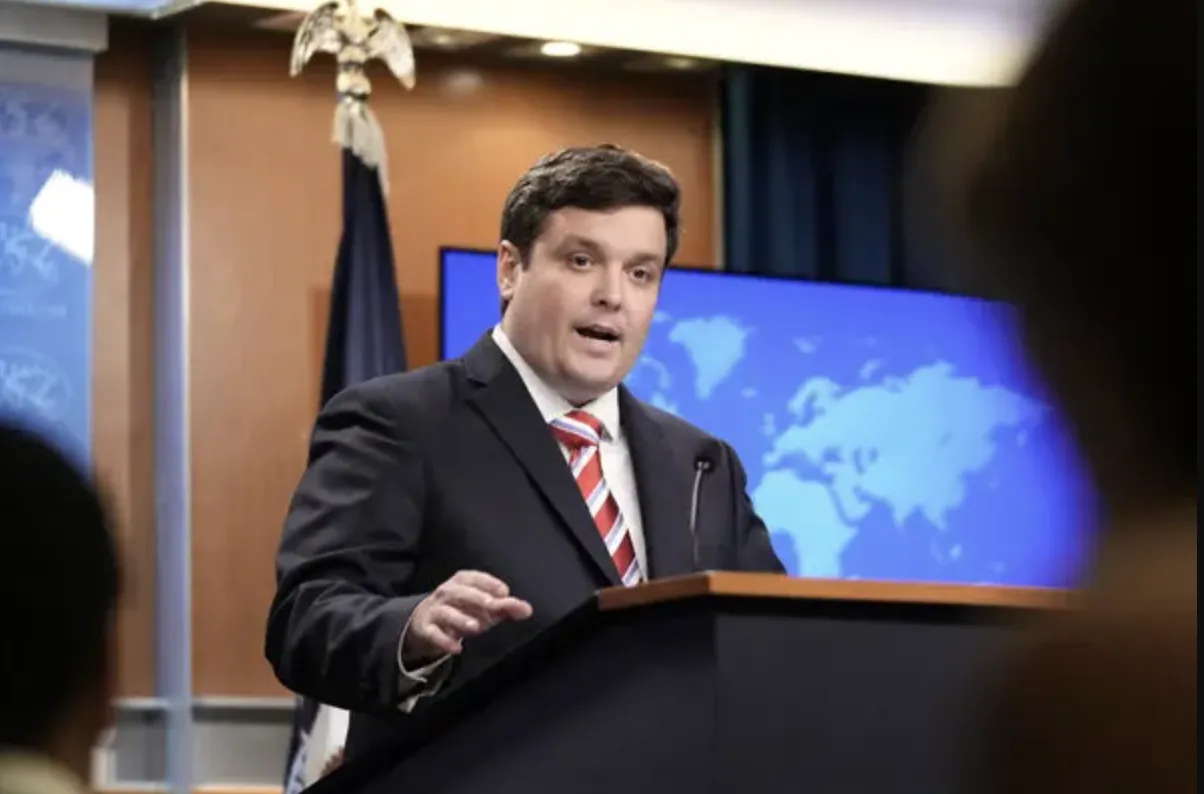
State Department spokesperson Tommy Pigott said federal agencies were coordinating with the Department of Homeland Security to identify foreign nationals who entered the country as temporary visitors before filing for asylum.
Deputy Secretary of State Christopher Landau has also publicly argued that the U.S. asylum system should not be used as a mechanism to bypass immigration laws or extend temporary stays indefinitely.
The administration's planned approach is therefore likely to focus on visa intent, immigration compliance and the circumstances surrounding individual asylum applications.
Would Visa Revocation Lead to Immediate Deportation?
One of the biggest concerns for affected individuals is whether the cancellation of a B-1 or B-2 visa would automatically result in immediate deportation.
In general, visa revocation and removal from the United States are separate legal processes. The impact on an individual can depend heavily on their immigration status, whether they have been admitted to the country, whether they have a pending asylum application and the specific circumstances of their case.
For individuals with active asylum claims, the cancellation of a previously issued visitor visa would not necessarily mean that their asylum case automatically disappears. Their application may continue through the appropriate immigration process, although their legal situation and travel rights could be affected.
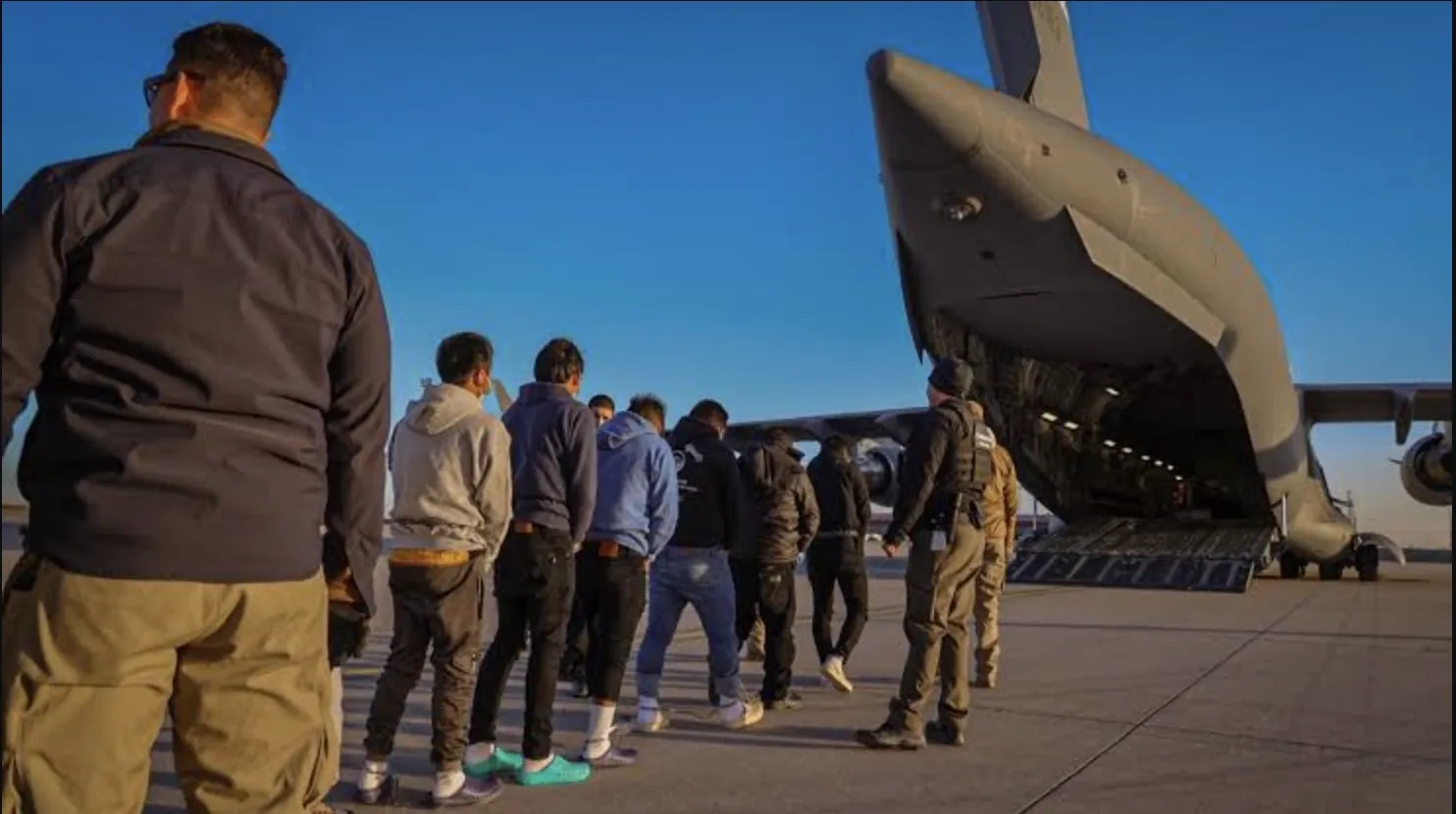
Potential consequences could include:
- Loss of the ability to use the revoked B-1 or B-2 visa for future entry into the United States.
- Additional scrutiny of the individual's immigration history and original purpose of travel.
- Changes to how the person's immigration status is categorized while an asylum case remains pending.
- Continued processing of asylum claims through the immigration court system or U.S. Citizenship and Immigration Services, depending on the case.
Because immigration outcomes can vary significantly, individuals affected by any future policy would need to review official guidance and seek qualified legal advice.
Part of a Broader U.S. Immigration Enforcement Strategy
The proposed mass visa revocation would be part of a wider effort by the Trump administration to strengthen immigration screening and enforcement.
The State Department has already increased the use of continuous vetting and visa review processes. These reviews can identify individuals whose circumstances may raise concerns related to criminal activity, immigration violations, fraud or other issues that could affect visa eligibility.
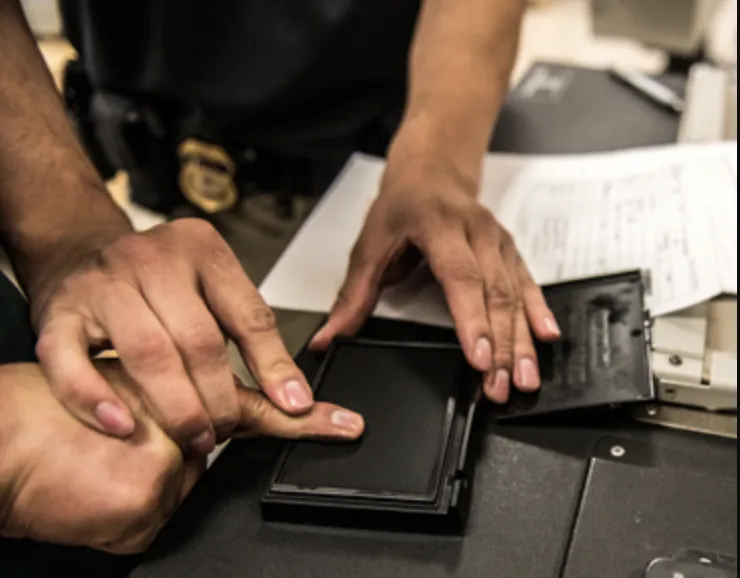
Previous visa enforcement actions have reportedly included cases involving alleged visa overstays, criminal encounters, suspected immigration fraud and other violations of U.S. immigration law.
The new initiative would potentially expand that enforcement framework by focusing specifically on individuals whose asylum applications followed entry into the United States on temporary visitor visas.
Supporters of the policy argue that the government should closely examine cases where an individual's actions after entering the country appear inconsistent with the purpose stated during the visa application process.
Critics, however, are expected to argue that a person can develop a legitimate need for asylum after receiving a visitor visa or entering the United States. They also note that U.S. immigration law provides mechanisms for eligible individuals to apply for asylum regardless of their original immigration status.
Legal Challenges Could Follow
Any large-scale effort to revoke visas connected to asylum applicants is likely to face legal scrutiny.
Immigration advocates and civil rights organizations could challenge the policy on several grounds, particularly if they believe that individuals are being targeted without sufficient case-by-case review or that the action interferes with legally protected asylum procedures.
Under U.S. law, asylum eligibility is generally determined through an individual's claim that they face persecution or fear of persecution based on legally recognised grounds. The fact that an applicant initially entered the country on a temporary visa does not automatically determine whether their asylum claim is valid.
Legal challenges could therefore focus on how the government identifies affected individuals, whether due process requirements are followed and whether visa revocation is being applied consistently with existing immigration law.
Federal courts could ultimately play a significant role in determining whether any large-scale policy can proceed as planned.
Also Read: Bitcoin Surges Toward $70,000: Why Crypto Is Rising and What Investors Should Watch
What Could Happen Next?
The reported policy has raised questions among foreign nationals with pending asylum claims and immigration attorneys across the United States.
If the Trump administration formally announces the measure, the Department of State and Department of Homeland Security would likely provide additional guidance explaining who could be affected, how visa revocations would be processed and what options individuals may have.
For B-1 and B-2 visa holders who have already filed for asylum, the most important next step will be understanding whether a new policy affects their existing immigration status, travel documents or pending applications.
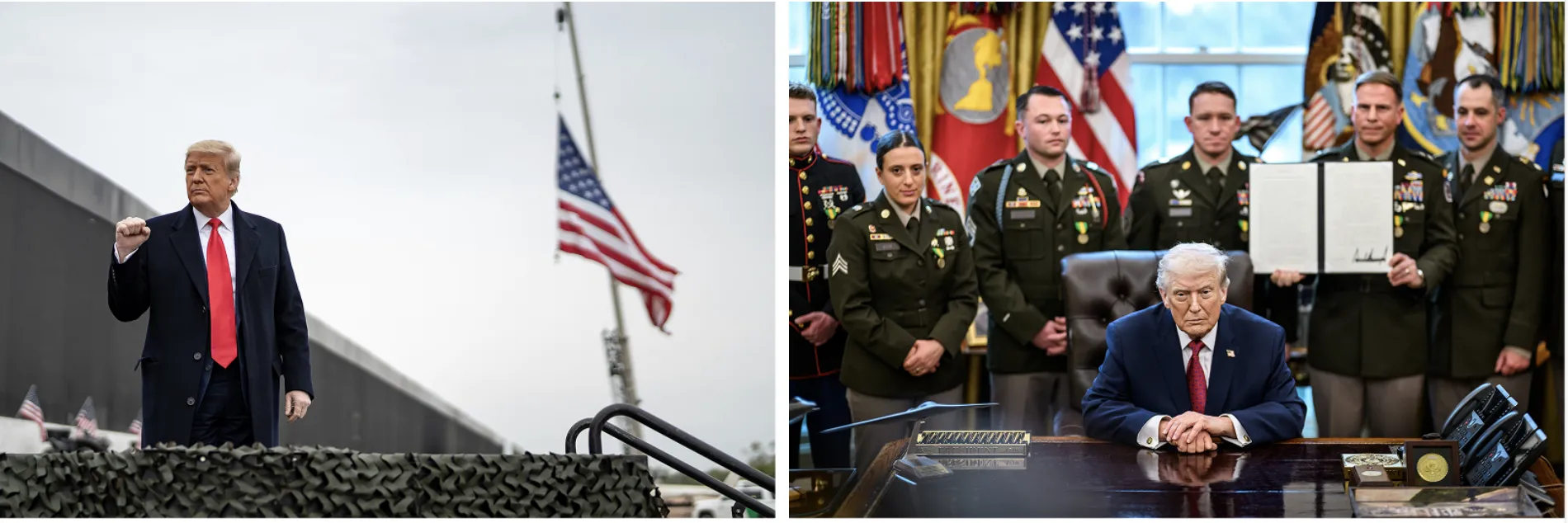
The potential revocation of visas for up to 200,000 asylum seekers would mark another significant development in the Trump administration's immigration agenda. However, the final scope, implementation process and legal consequences will depend on the official policy language and any court challenges that follow.
Until formal guidance is issued, individuals with pending asylum cases should monitor announcements from U.S. immigration authorities and consult a qualified immigration attorney regarding their specific circumstances.
By Tommy Thounaojam
Frequently Asked Questions
1. Will the Trump administration revoke visas for 200,000 asylum seekers?
The Trump administration is reportedly considering a large-scale effort that could revoke B-1 and B-2 visitor visas for up to 200,000 foreign nationals who entered the United States and later applied for asylum. The final scope of the policy will depend on official government guidance and implementation.
2. Does a revoked B-1 or B-2 visa mean immediate deportation?
Not necessarily. Visa revocation and deportation are separate immigration processes. Individuals with pending asylum applications may still have their cases reviewed through the appropriate U.S. immigration system, depending on their individual circumstances.
3. Can someone apply for asylum after entering the US on a tourist visa?
Yes. Entering the United States on a tourist or business visa does not automatically prevent a person from applying for asylum. However, immigration authorities may examine whether the individual's original visa application and stated purpose of travel were accurate.
4. What happens to an asylum application if a visitor visa is revoked?
A revoked visitor visa does not automatically mean that a pending asylum application will be denied. The asylum claim may continue through the immigration court system or USCIS, depending on the applicant's circumstances and the type of asylum process involved.
5. What should B-1 or B-2 visa holders with pending asylum cases do?
Individuals who may be affected should closely monitor official announcements from the U.S. Department of State, DHS and USCIS. Because immigration cases can vary significantly, consulting a qualified U.S. immigration attorney may help individuals understand how any new policy could affect their specific situation.

Stay updated with our latest news and articles. Join our newsletter!
Trending Now
No trending posts found.