Fed Raises Interest Rates to 3.75%-4%: What It Means for Americans and Global Markets
2026-09-17
The Fed Raised Rates Again. Here’s Why It Matters Far Beyond America.
The Federal Reserve has raised interest rates by another quarter of a percentage point, taking its target federal-funds rate to 3.75% to 4%. On its own, a 25-basis-point increase may appear almost insignificant. For households and businesses, however, the impact of higher borrowing costs accumulates over time. More important still is what accompanied the decision: The increase was unanimous, and the Federal Reserve’s latest projections indicate that 16 of its 18 policymakers believe another rate increase will be needed before the end of the year.
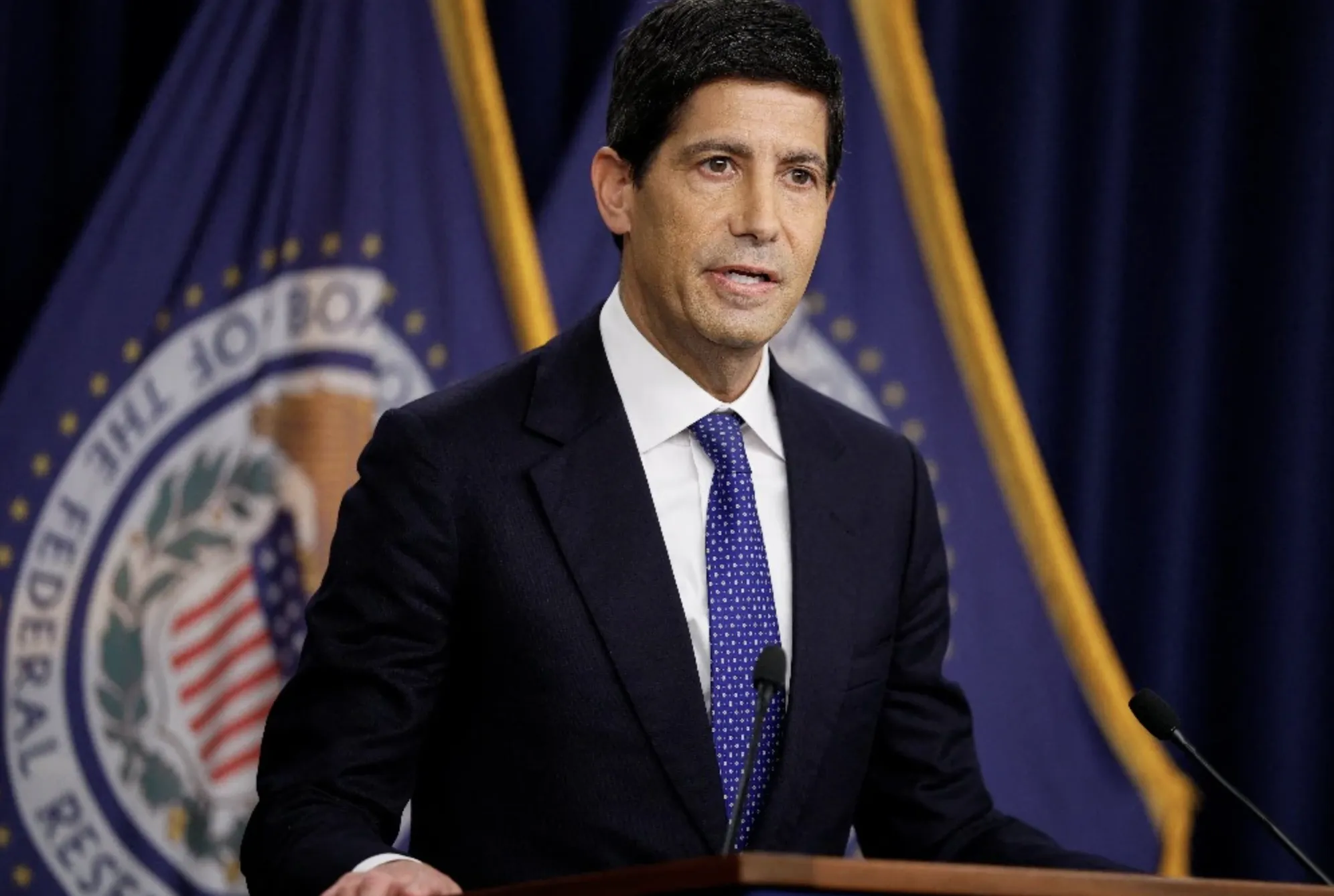
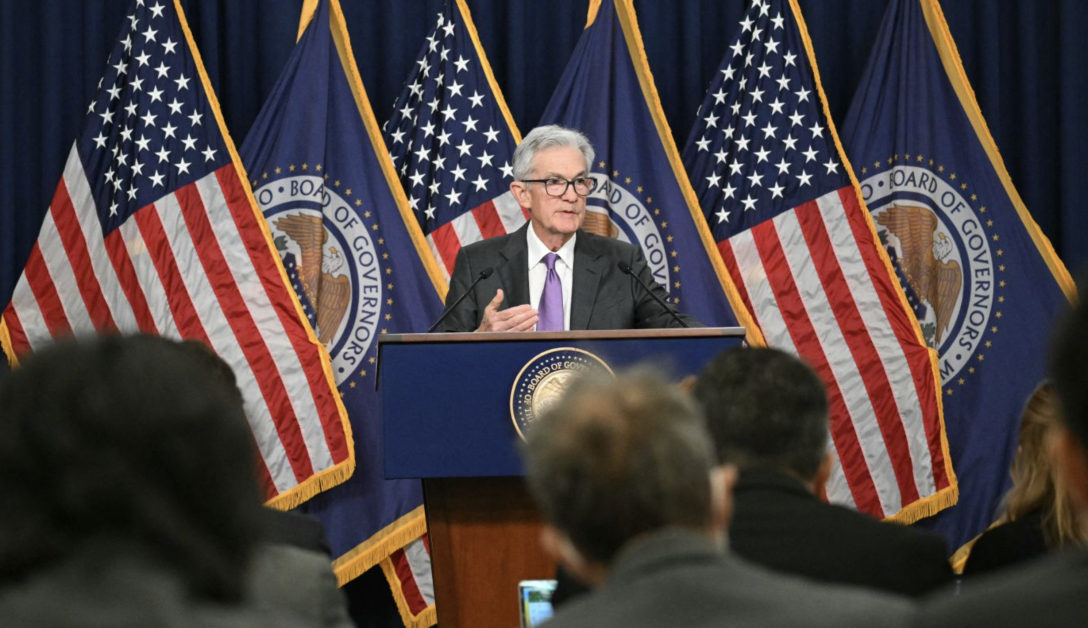
Federal Reserve Chairman Kevin Warsh holds a press conference following a 2-day meeting of the Federal Open Market Committee (FOMC) at the Federal Reserve in Washington. (Photo: Reuters)
That makes this more than a routine adjustment to the cost of borrowing. It is a signal that the Fed believes inflation remains too persistent to declare victory, even as the U.S. economy continues to show resilience. For consumers, companies, investors and financial markets around the world, the question is no longer simply how much the Fed raised rates. It is how long rates will remain elevated and whether the central bank can bring inflation down without causing a much sharper slowdown in the economy.
The Fed’s Most Powerful Lever
The Federal Reserve is the central bank of the United States, and one of its primary responsibilities is maintaining price stability while supporting sustainable employment. Its most closely watched tool is the federal-funds rate, which influences the rate banks charge one another for overnight borrowing. The Fed does not directly set the interest rate on an individual's mortgage or credit card, but changes in its policy rate flow through the financial system and influence those rates.
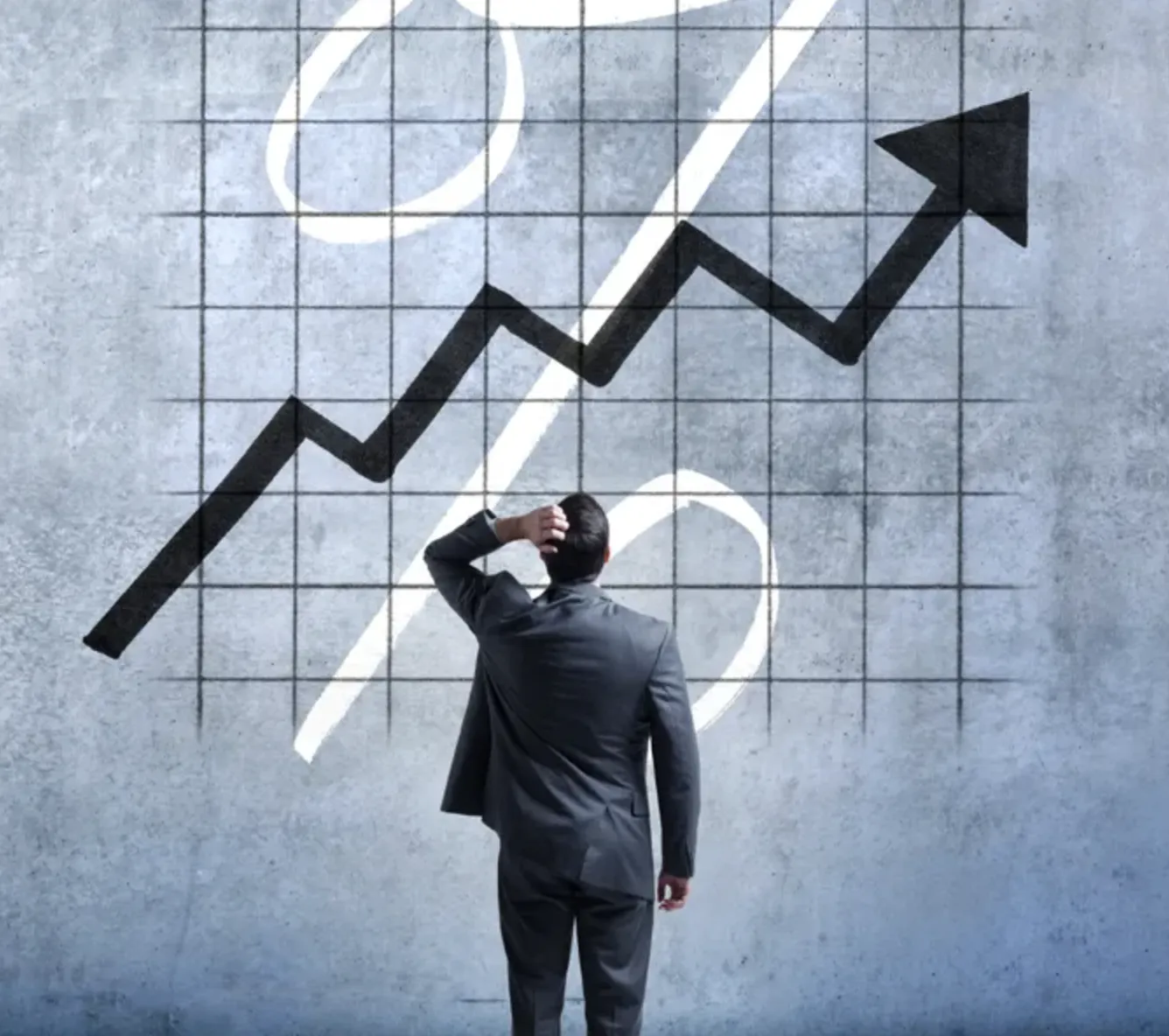
The mechanism is relatively straightforward. When the Fed raises rates, borrowing becomes more expensive. Higher borrowing costs encourage households and companies to reconsider spending and investment decisions. A consumer may delay buying a home or car, while a company may postpone opening a new facility or hiring additional workers. When millions of such decisions occur simultaneously, overall demand in the economy can begin to slow.
That is precisely what the Fed wants when inflation is running too high. By making money more expensive, it attempts to cool demand enough to bring it closer into balance with the economy's ability to produce goods and services.
Why Inflation Is Still Driving the Conversation
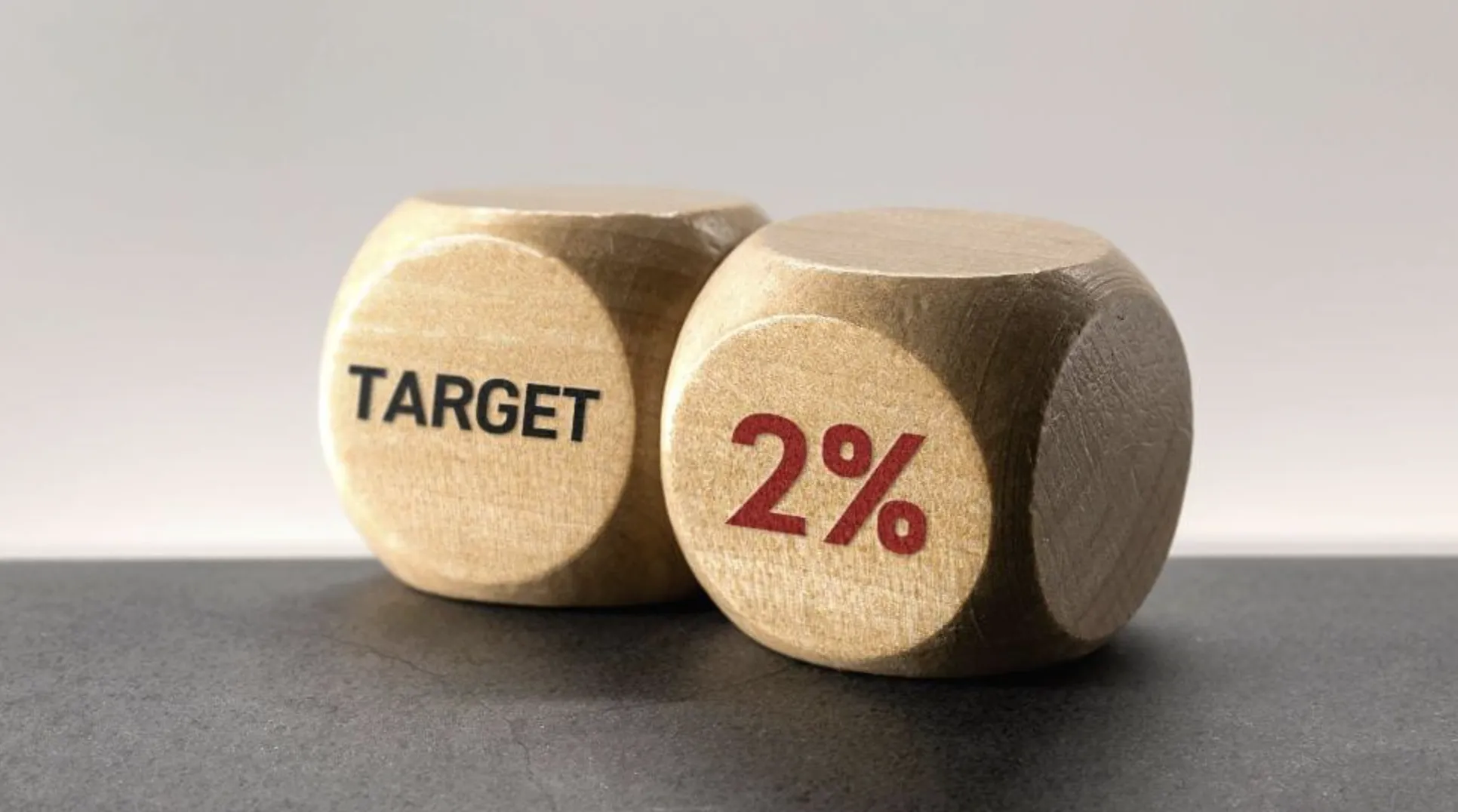
The central issue behind the latest increase is inflation. The Fed has a long-term inflation objective of 2%, but price pressures have remained above that level. The latest projections suggest policymakers still expect inflation to remain elevated, with the 2026 core personal-consumption-expenditures inflation projection at 3.4%.
The distinction between headline and core inflation can be confusing. Headline inflation includes everything consumers purchase, including volatile categories such as food and energy. Core inflation excludes food and energy in an attempt to provide a clearer picture of underlying price pressures. Neither measure perfectly captures the cost of living for every household, but core inflation is closely watched by policymakers because it can provide a better indication of persistent inflationary trends.
The Fed's problem is that the economy has not weakened enough to eliminate those pressures. Consumer demand remains relatively resilient, business investment has remained solid and the labor market has provided policymakers with room to continue tightening financial conditions. The central bank therefore faces a difficult calculation: inflation is still too high, but the economy is still strong enough that policymakers believe they can continue applying pressure.
What a Rate Hike Means for an American Household
The impact of monetary policy eventually reaches ordinary households through some of the most familiar financial products. Consider someone looking to buy a home. Even if the price of the house hasn't changed, a higher mortgage rate increases the monthly payment. For a household with a fixed budget, that can mean purchasing a less expensive property or postponing the purchase altogether.
The same principle applies to automobiles and other large purchases that are commonly financed. When borrowing becomes more expensive, consumers may decide to wait. Credit-card users can feel the effect even more directly because credit-card interest rates tend to be high and many balances carry variable rates. A consumer who carries a balance for months rather than paying it off can therefore see higher financing costs as interest rates rise.
There is a flip side. Higher interest rates can be beneficial for people who have significant amounts of cash in interest-bearing accounts. Savings accounts, certificates of deposit, money-market instruments and short-term government securities can offer better returns when rates are elevated. The economic impact of higher rates is therefore not uniformly negative. Borrowers generally face greater costs, while savers can receive greater income from their cash.
Businesses Face a Similar Calculation
Companies respond to interest rates in much the same way households do, although the numbers can be far larger. A business considering a new factory, office, acquisition or technology investment has to calculate whether the expected return justifies the cost of financing the project.
When interest rates rise, that hurdle becomes higher. A company that might have borrowed money to expand when rates were low may decide to wait when financing becomes more expensive. Highly leveraged businesses can also see their interest expenses rise, particularly when they rely on variable-rate debt.
The effect can spread beyond corporate balance sheets. If businesses reduce investment, they may order fewer machines, construct fewer buildings, hire fewer workers or reduce expansion plans. This can eventually affect suppliers, contractors and employees. The Fed is therefore not simply changing the cost of money; it is attempting to influence millions of economic decisions across the country.
Why Wall Street Watches the Fed So Closely
Interest rates also influence how investors value financial assets. One reason is relatively simple: When safe investments such as U.S. Treasury securities offer higher yields, investors may demand a greater potential return before taking the risk of owning stocks.
Another reason is more fundamental. The value of a company today depends partly on the profits investors expect it to generate in the future. Higher interest rates increase the rate used to discount those future earnings back to their present value. Companies whose valuations depend heavily on profits expected many years into the future can therefore be particularly sensitive to changes in interest rates.
This is one reason the Federal Reserve's communications can move financial markets even when the actual rate change is small. Investors are constantly trying to determine what policymakers will do next.
The Dollar Turns a U.S. Rate Decision Into a Global Event
The Fed's influence doesn't end at the American border. Higher U.S. interest rates can make dollar-denominated investments more attractive to global investors. If U.S. government bonds offer relatively appealing yields, international investors may choose to allocate more capital to U.S. assets.
That can increase demand for dollars and put pressure on other currencies. The consequences can be significant for countries and companies that borrow in dollars. If a company's revenues are primarily in its local currency but its debt is denominated in dollars, a weaker local currency can make that debt more expensive to service.
A stronger dollar also affects trade. Imported goods can become relatively cheaper for Americans, while American products can become more expensive for foreign buyers. For countries that rely heavily on imported commodities priced in dollars, currency movements can also feed into domestic inflation.
Why India and Other Emerging Markets Care
For emerging markets such as India, the Fed's decisions can influence financial conditions even though their central banks have their own independent monetary policies. When U.S. interest rates rise, international investors reassess the relative attractiveness of assets around the world. Capital can become more inclined toward U.S. assets, particularly when American yields are sufficiently attractive.

Currency markets are therefore an important transmission channel. If the rupee comes under pressure against the dollar, imported goods priced in dollars can become more expensive in rupee terms. Crude oil is particularly important because it is traded internationally in dollars and India is a major importer of energy.
The Reserve Bank of India must consider these external pressures alongside India's own inflation, growth, currency conditions and domestic financial system. A Fed rate increase does not automatically mean the RBI must respond in the same way. But it does change the environment in which Indian policymakers, companies and investors operate.
The same broad dynamic applies across Asia and other emerging markets. Countries and corporations with significant dollar-denominated liabilities can be particularly sensitive to movements in U.S. interest rates and the dollar.
The Fed's Real Challenge: Inflation or Growth?
This is ultimately a balancing act. If the Fed does too little, inflation can become entrenched. Consumers and businesses may begin to expect prices to continue rising, which can influence wage negotiations, contracts and corporate pricing decisions. Once those expectations become embedded, bringing inflation back down can become considerably more difficult.
But monetary policy works with a lag. The full impact of higher interest rates can take months or even longer to move through mortgages, corporate borrowing, investment decisions and employment. That creates a significant risk for policymakers: By the time the economic slowdown becomes obvious, the earlier rate increases may already be working their way through the system.
This is why the labor market is becoming increasingly important. Earlier in the tightening cycle, the Fed had greater room to prioritize inflation because employment conditions were relatively strong. As the cycle progresses, that margin can narrow. If hiring begins to deteriorate substantially, the Fed could face a difficult choice between continuing to fight inflation and limiting damage to employment and economic growth.
Also Read: AI Race to 2027: OpenAI, Musk and the Future of Artificial Intelligence
Why the Unanimous Decision Matters
The unanimous nature of the latest rate increase provides another important signal. Twelve voting members supported the quarter-point increase, while the latest projections showed that 16 of 18 policymakers anticipate another increase this year.
The projections are not promises. Economic conditions can change, and Federal Reserve officials can change their forecasts. Inflation could fall faster than expected, growth could weaken, or the labor market could deteriorate. Conversely, persistent inflation could require policymakers to maintain restrictive rates for longer.
Still, the combination of a unanimous increase and projections for another hike indicates that the Federal Reserve does not currently consider the inflation fight finished.
A Quarter Point That Reaches Around the World
The Federal Reserve's decision ultimately illustrates how interconnected the modern financial system has become. A quarter-point increase announced in Washington can influence the mortgage rate offered to an American home buyer, the financing decision of a technology company, the value investors place on future corporate earnings, the strength of the dollar, the cost of dollar-denominated debt and the exchange rate faced by consumers thousands of miles away.
For ordinary people, the Fed's policy can eventually show up in surprisingly mundane places: the interest charged on a credit card, the monthly payment on a new car, the return on a savings account or the price of an imported product.
The Fed is trying to slow inflation without stopping the economy. That makes the coming months less about the size of any single rate move and more about whether policymakers can find the point at which demand cools enough to bring inflation down without pushing employment and growth into a much deeper slowdown.
For now, the message from the Federal Reserve is clear: inflation remains the immediate priority, and policymakers believe the U.S. economy is resilient enough to keep financial conditions tight. The bigger question for markets—and for households and businesses everywhere—is how long that stance will have to last.
By Tommy Thounaojam- Editor Micromunch

Stay updated with our latest news and articles. Join our newsletter!
Trending Now
No trending posts found.