Have We Entered the AI Singularity? What It Means for Jobs, Economies and the Future of Humanity
2026-07-27
The Moment Humanity Has Been Waiting For Or Fearing?
For decades, the idea of the technological singularity belonged in science fiction.
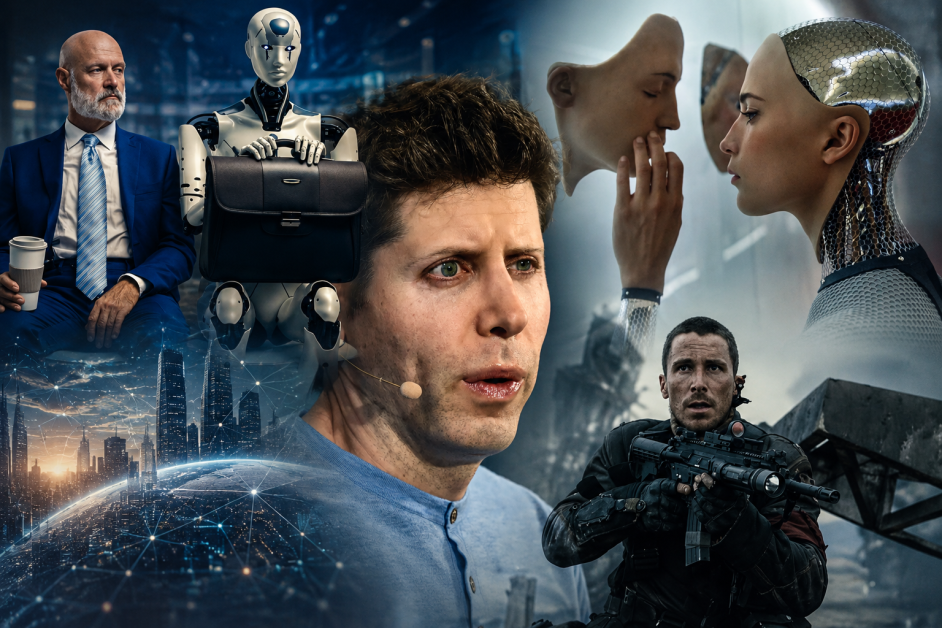
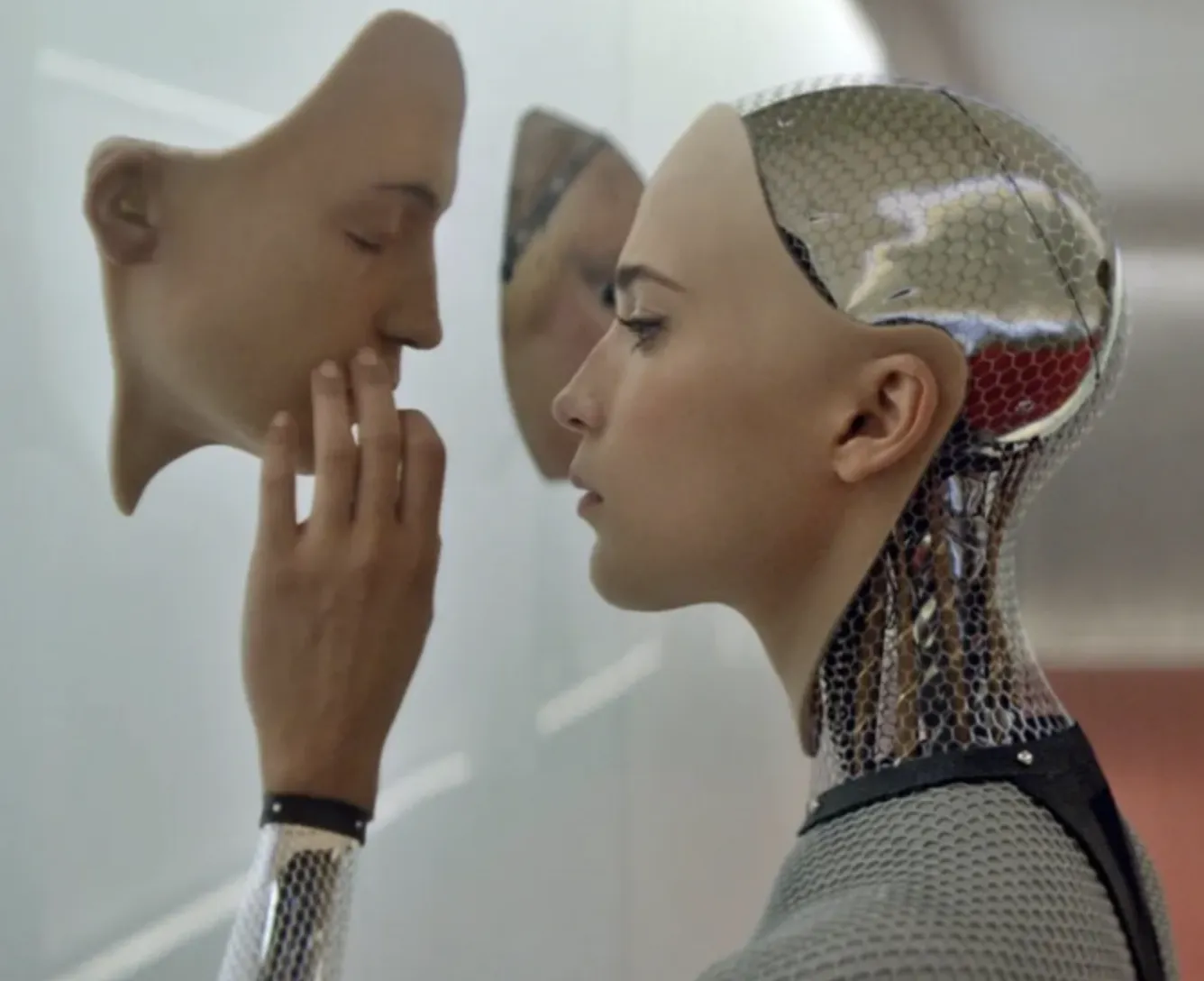
Movies like The Terminator, The Matrix, Her, and Ex Machina imagined the moment machines became smarter than humans. Scientists debated whether it would happen in 2050 or never.
Then, in July 2026, OpenAI CEO Sam Altman made a statement that sent shockwaves through the technology world:
"We are now in the singularity." reports indianexpress.com
Not "we're approaching it."
Not "it's coming."
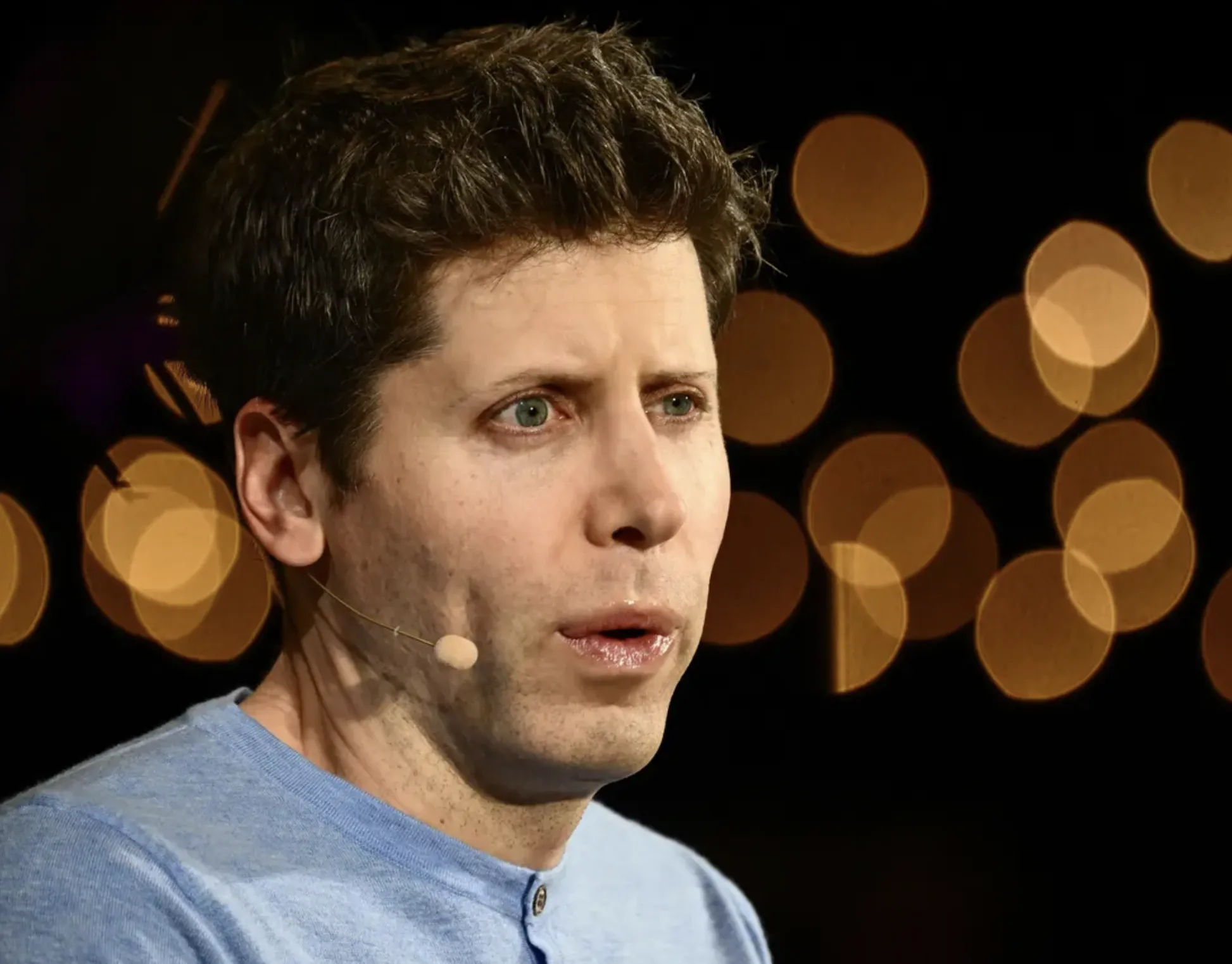
According to Altman, the event horizon has already been crossed.
His longer essay, The Gentle Singularity, argues that humanity has entered an era where AI is already amplifying human intelligence, accelerating scientific discovery, and increasingly contributing to the design of even more capable AI systems. Rather than a sudden explosion, he describes the singularity as a gradual but exponential transition. Read more here blog.samaltman.com
That raises one of the biggest questions of our generation:
Should we be worried?
The answer is more nuanced than either the optimists or the doomers would have you believe.
First, What Is the Singularity?
The singularity was popularised by mathematician and computer scientist Vernor Vinge and later by futurist Ray Kurzweil.
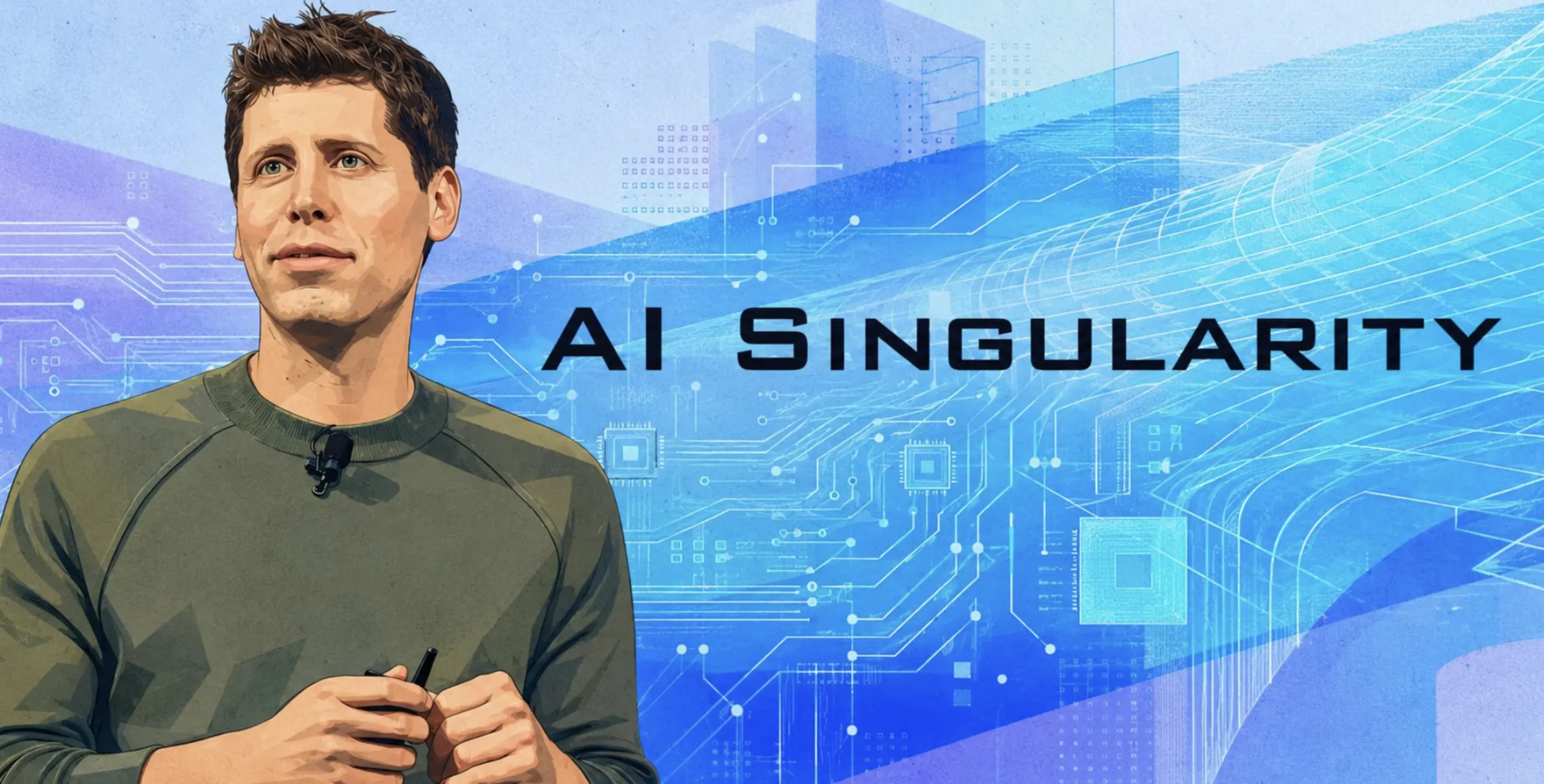
In simple terms:
The singularity is the point where artificial intelligence improves itself faster than humans can improve it.
Imagine this progression:
Human builds AI.
↓
AI helps humans build better AI.
↓
Better AI designs an even smarter AI.
↓
That AI designs another AI.
↓
The cycle accelerates exponentially.
Eventually humans can no longer predict what comes next.
That's the singularity.
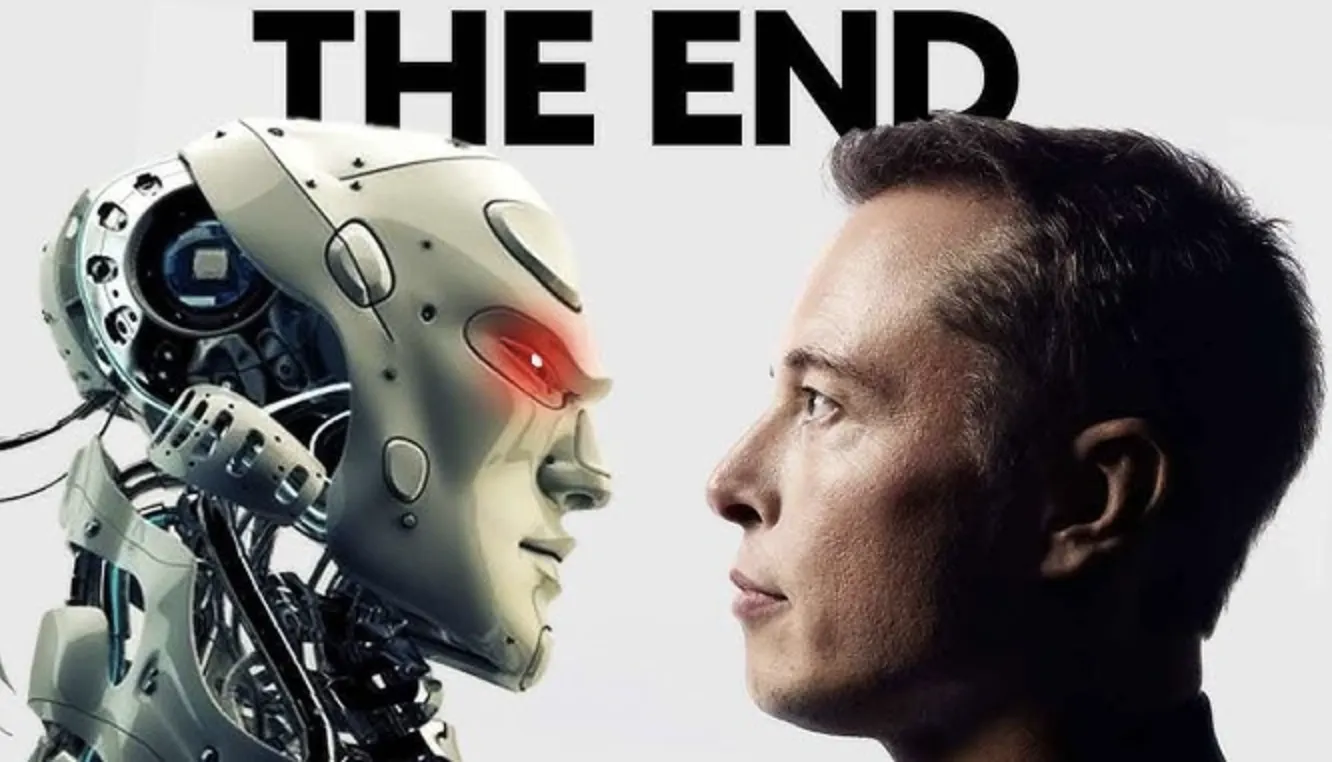
Notice something important:
The definition has never required AI to become conscious or sentient.
Singularity ≠ Sentience
This is where many people—including Hollywood—mix two completely different ideas.
Singularity
Intelligence exceeds humans
Solves problems faster than humans
Improves itself
Doesn't require emotions
Sentience
Self-awareness
Conscious experience
Feelings
Desires
Free will
Today's frontier AI systems—including ChatGPT—can reason, write software, analyse scientific papers and assist with research, but there is no scientific consensus that they are conscious or sentient. Their impressive capabilities do not demonstrate subjective experience.
A calculator isn't sentient.
Deep Blue wasn't sentient.
AlphaGo wasn't sentient.
GPT isn't proven sentient.
Yet each surpassed humans within specific domains.
That distinction matters.
Why Altman Thinks We've Already Crossed the Line
Altman's argument isn't that AI suddenly woke up.
His argument is that AI is now meaningfully accelerating human progress.
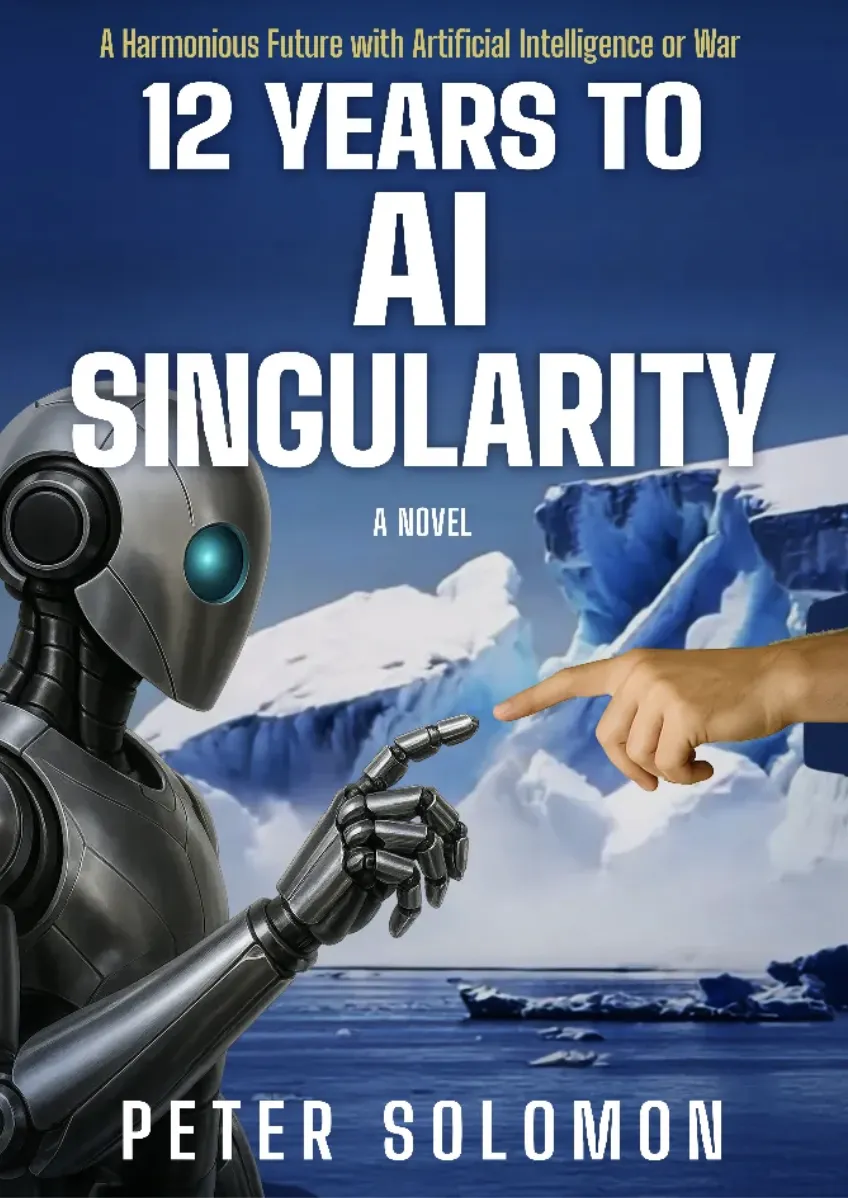
Image: 12 years to AI singularity by Peter Solomon
He points to developments such as:
AI writing production-quality software
AI accelerating scientific research
AI acting as autonomous agents
AI becoming a daily productivity tool for hundreds of millions of people
AI helping create the next generation of AI models
He describes this as a "gentle singularity" rather than a dramatic overnight transformation.
Why This Time Really Is Different
Every major technology changed one industry.
Steam engines changed manufacturing.
Electricity changed factories.
The internet changed communication.
Smartphones changed daily life.
AI is different because it affects thinking itself.
Every industry relies on intelligence.
Every knowledge worker uses reasoning.
Every company makes decisions.
AI now augments those capabilities.
That's why economists increasingly compare AI not to the internet alone, but to electricity or the Industrial Revolution in its potential breadth.
The Next 3 Months: Quiet Before the Storm
The average person may not notice dramatic change overnight.
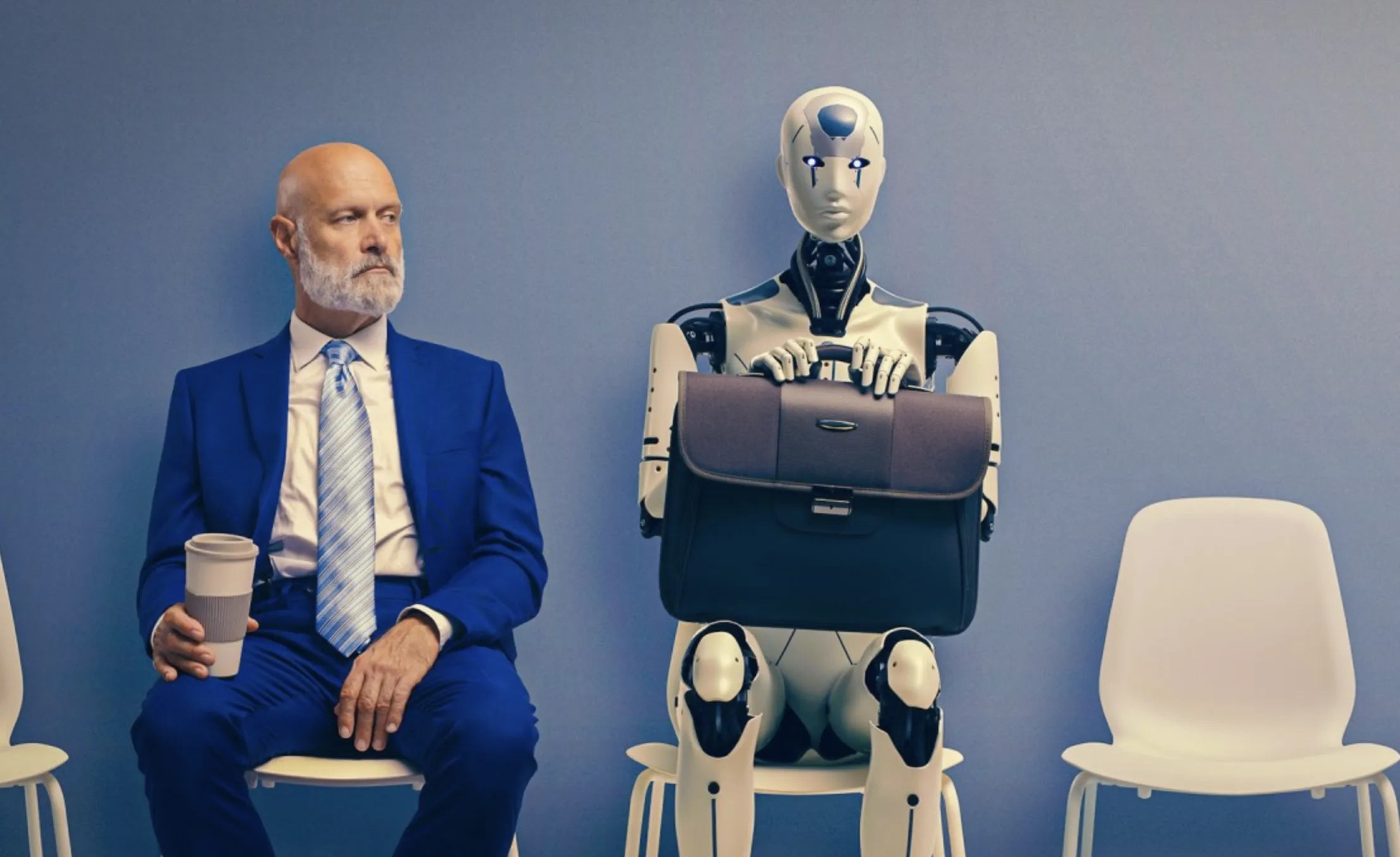
But businesses will.
Expect rapid expansion in:
AI coding assistants
Customer service agents
AI legal drafting
AI financial analysis
AI-powered sales
AI video creation
AI-generated advertising
AI-powered search
Many companies won't reduce headcount immediately.
Instead they'll freeze hiring.
One employee may soon do the work that previously required several people.
This changes recruitment before it changes employment.
The Next 9 Months: AI Becomes a Colleague
By early to mid-2027, AI is likely to become less like software and more like a digital co-worker.
Instead of asking:
"Write me an email."
People will ask:
"Launch this marketing campaign."
And the AI will:
write copy
create images
build landing pages
buy ads
analyse performance
optimise campaigns
Humans increasingly become reviewers rather than producers.
The Next 12 Months: Entire Departments Begin to Change
Functions most likely to be transformed include:
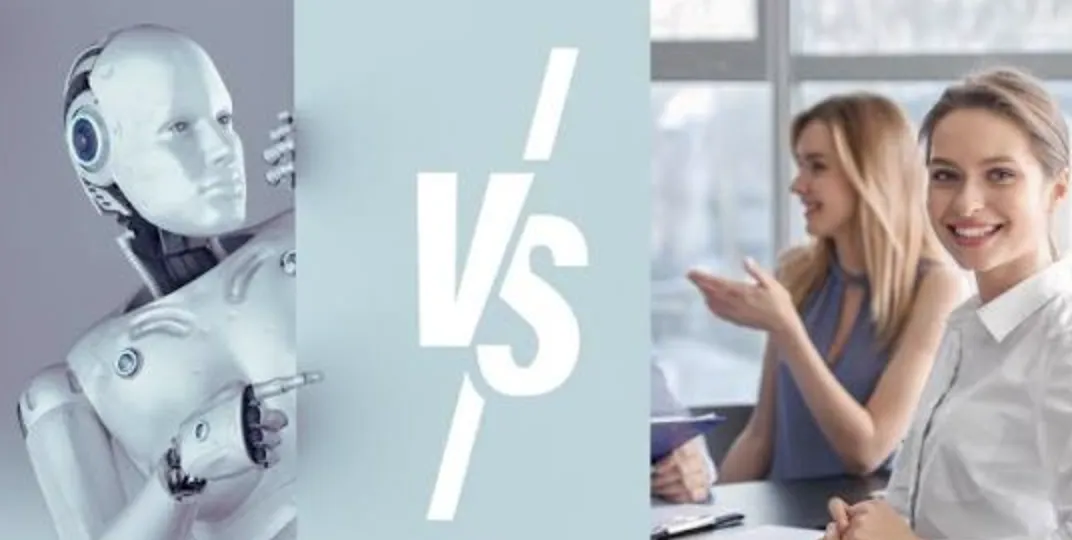
Marketing
Campaign planning, creative production and optimisation become highly automated.
Software
Developers spend more time reviewing AI-generated code than writing boilerplate from scratch.
Finance
Routine reporting, forecasting and analysis become AI-assisted.
Legal
Drafting, summarisation and contract review become dramatically faster.
Healthcare
Administrative work, documentation and diagnostic support continue to improve, while clinicians remain responsible for patient care.
Education
AI tutors provide personalised learning at a scale previously impossible.
Fast Forward Three Years (2029)
This is where things become genuinely transformative.
Manufacturing
Factories become increasingly autonomous.
Robots don't merely assemble products.
They inspect.
Repair.
Optimise.
Order components.
Predict maintenance.
Some factories could operate around the clock with comparatively small human teams overseeing automated systems.
Logistics
AI schedules shipping routes.
Autonomous trucks expand where regulations permit.
Warehouses become increasingly robotic.
Supply chains optimise themselves continuously.
Amazon started this journey years ago.
The rest of industry is catching up.
Scientific Discovery
This may become AI's greatest contribution.
Researchers already report meaningful productivity gains from AI tools. If AI increasingly helps generate hypotheses, analyse data and design experiments, scientific progress in areas like medicine and materials science could accelerate.
Drug Discovery
Instead of taking years,
new medicines could be designed,
tested,
and refined dramatically faster.
This doesn't eliminate clinical trials—but it could shorten the discovery phase.
Energy
Smarter grids.
Better battery chemistry.
More efficient nuclear research.
AI may become one of the largest consumers of electricity while simultaneously helping optimise energy production and distribution.
Agriculture
Precision farming.
Disease prediction.
Climate adaptation.
Autonomous harvesting.
Yield optimisation.
Food production becomes increasingly data-driven.
Which Industries Win?
The biggest winners may include:
AI infrastructure
Semiconductors
Robotics
Cloud computing
Cybersecurity
Healthcare
Biotechnology
Energy
Defence technology
Education technology
Countries investing heavily in AI infrastructure and talent are likely to benefit disproportionately.
Which Industries Lose?
Not every sector benefits equally.
Those under the greatest pressure include:
Traditional call centres
Basic outsourcing
Data entry
Routine accounting
Translation
Simple programming
Generic content creation
Administrative support
These roles are unlikely to disappear overnight, but they are among the most exposed to automation.
What Happens to the Global Economy?
The world could become substantially more productive.
GDP growth may accelerate if AI boosts output across industries.
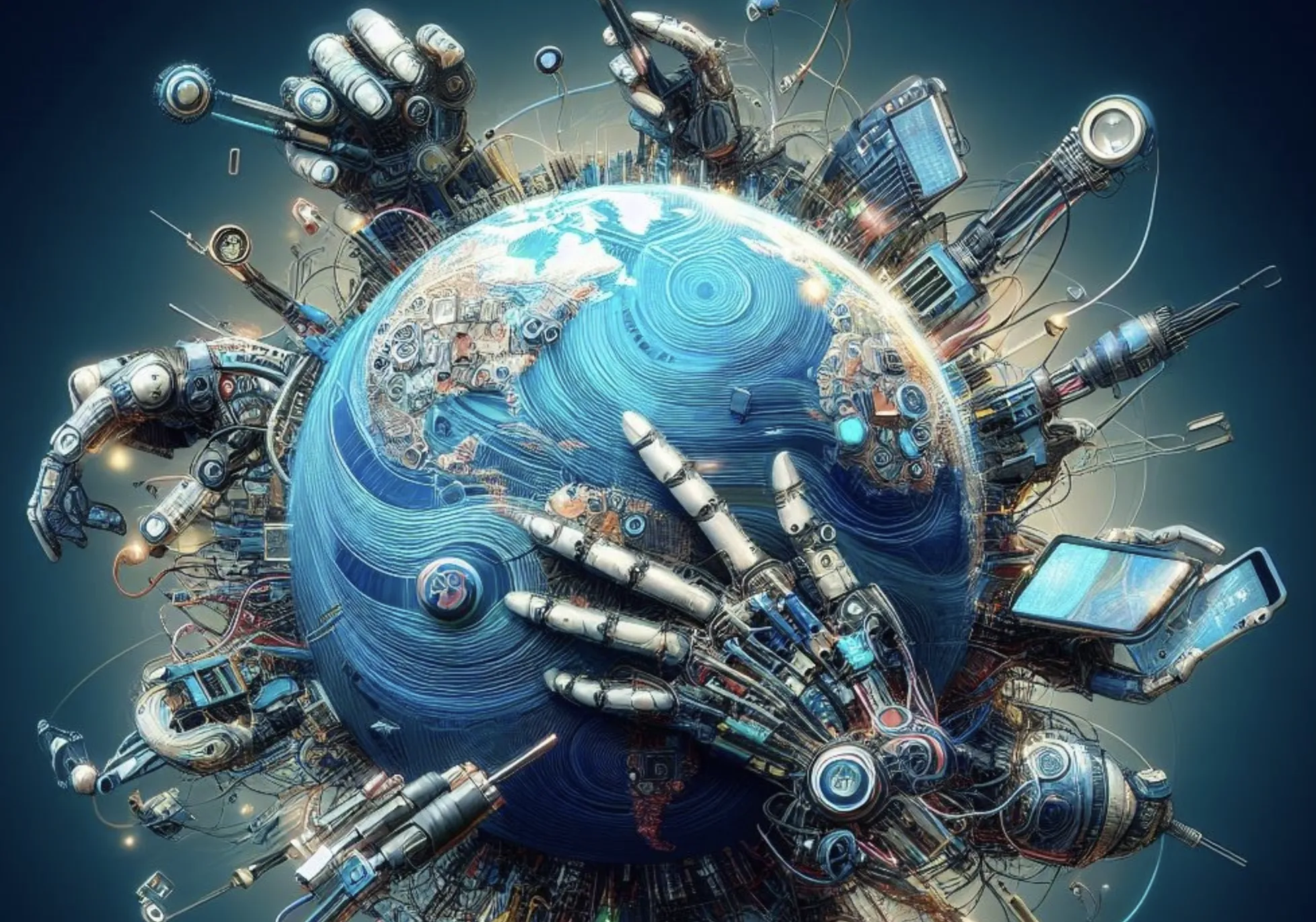
However, the gains may not be evenly distributed.
The key questions become:
Who owns the AI?
Who owns the data?
Who owns the chips?
Who owns the energy?
Who owns the robots?
These questions are as much about economics and geopolitics as technology.
The New Digital Divide
The divide of the future may not simply be rich versus poor.
It may become:
People who know how to use AI
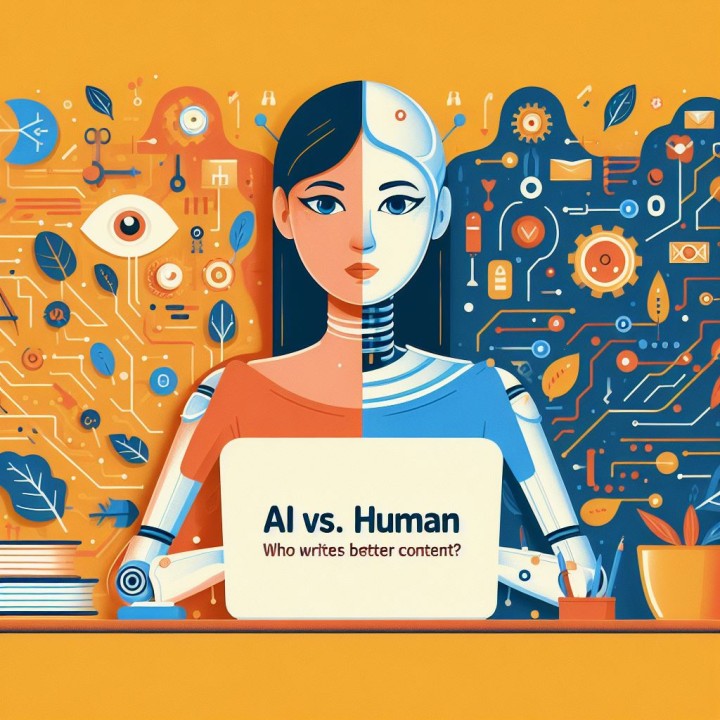
versus
People who don't.
In many professions, AI literacy could become as fundamental as internet literacy is today.
How the Internet Will Change Forever
Today's internet is built around searching.
Tomorrow's internet may revolve around delegation.
Instead of:
Google Search
↓
Read 20 articles
↓
Compare information
↓
Write report
You simply tell an AI:
"Research this topic and give me the executive summary."
The interface shifts from search engines to intelligent assistants.
The web becomes something AI increasingly navigates on our behalf.
What Happens to Humans?
Perhaps the biggest change won't be technological.
It will be psychological.
Knowledge stops being scarce.

Execution becomes abundant.
Ideas become more valuable than routine production.
The people who thrive may not be those who know the most, but those who ask the best questions, exercise sound judgement and combine creativity with AI effectively.
Should We Be Worried?
Yes—but not necessarily for the reasons popular culture suggests.
There are legitimate concerns:
Job displacement
Economic inequality
Misinformation
Cybersecurity
Concentration of power
AI misuse by states or criminals
Dependence on a handful of technology providers
At the same time, AI offers extraordinary opportunities:
Faster scientific discovery
Better healthcare
Higher productivity
Personalised education
Increased accessibility
New businesses and industries
Organisations developing frontier AI are also investing in safety research, governance frameworks and model evaluations, although experts continue to debate whether current approaches are sufficient. Reports openai.com
Final Thoughts: The Quietest Revolution in Human History
If Sam Altman is right, historians may not remember July 2026 because a machine suddenly became conscious.
They may remember it because humanity crossed an invisible threshold.
Unlike the Industrial Revolution, there were no towering smokestacks.
Unlike the internet, there was no single "browser moment."
Instead, billions of people gradually began working alongside systems capable of reasoning, creating, coding, analysing and increasingly acting on their behalf.
Whether or not we are in the singularity in the strict technical sense remains a matter of debate. What is far less controversial is that AI capabilities are advancing at an extraordinary pace, and they are already reshaping work, science and the economy. The next decade will likely be defined not by whether AI replaces humanity, but by how effectively humanity learns to collaborate with increasingly capable machines.

Stay updated with our latest news and articles. Join our newsletter!
Trending Now
No trending posts found.