
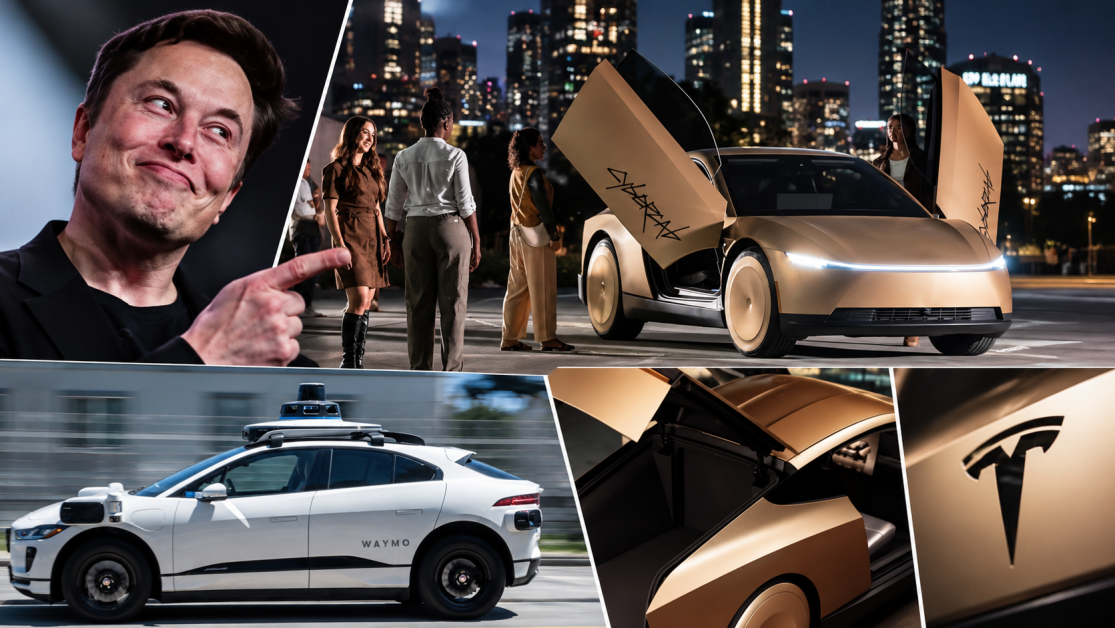
Tesla Cybercab Launch: Autonomous Robotaxi Future, Challenges & Roadblocks
2026-09-09
Tesla’s Cybercab Is Here. The Hard Part Starts Now.
Tesla has finally put the Cybercab on the road, but the most interesting thing about its launch is not the car itself. It is the question the vehicle asks: what happens when the taxi stops being a car with a driver and becomes a piece of software moving people around?
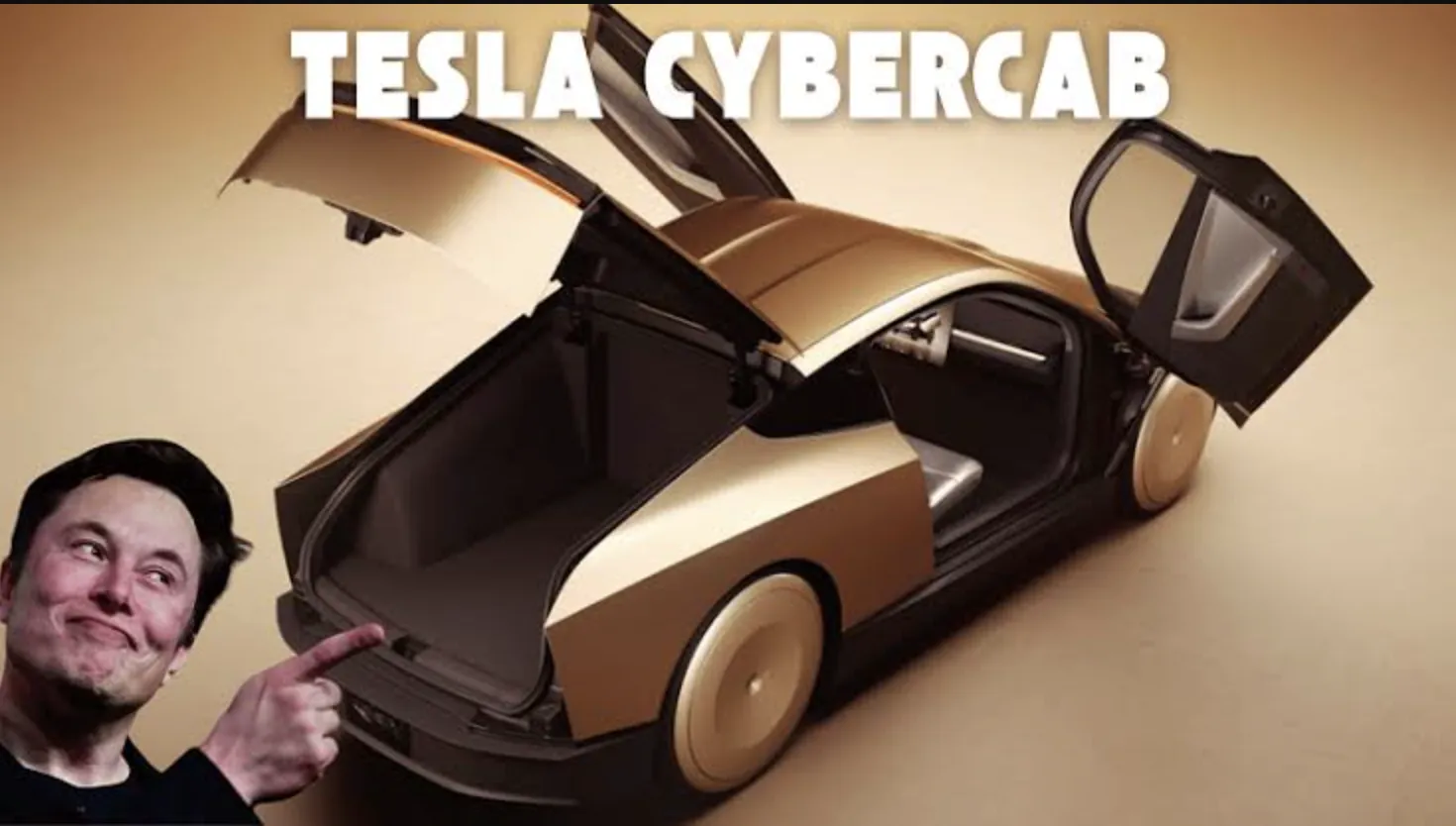
The two-seat Cybercab has no steering wheel, pedals or mirrors. It is designed from the ground up for autonomous taxi service and currently operates only in limited areas of Austin, while Tesla’s broader Robotaxi network uses Model Ys across Austin, Dallas, Houston, Miami, Orlando and Tampa.
From Car Ownership to Mobility
The business proposition is bigger than selling another Tesla. A robotaxi can potentially work for far more hours than a privately owned car, while removing one of the industry's biggest costs: the human driver.
That could make short-distance transportation cheaper, improve vehicle utilisation and give people mobility without requiring them to own, insure, maintain and park a car. For Tesla, meanwhile, every Cybercab could become a revenue-generating asset rather than a one-time vehicle sale.
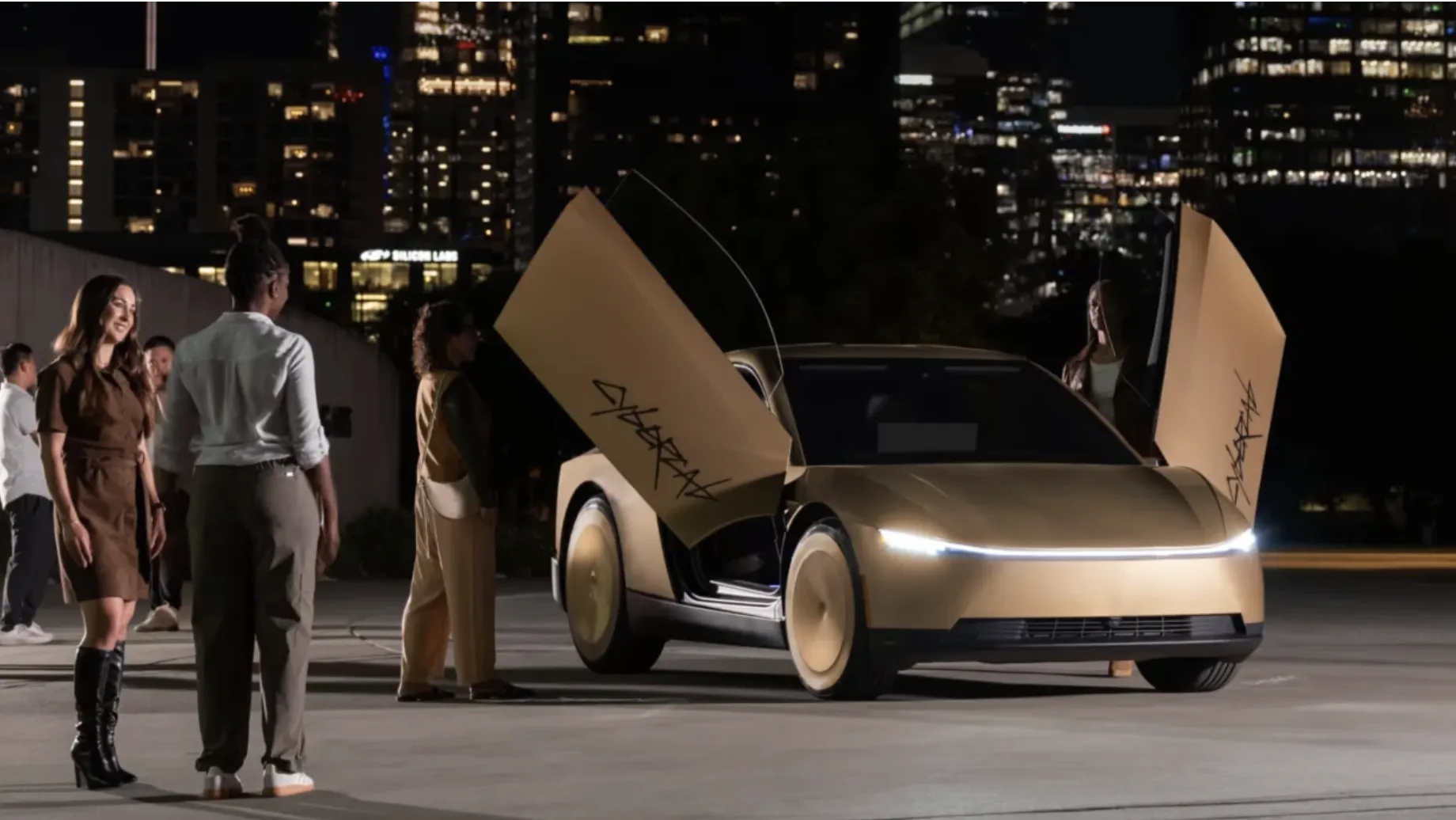
That is why this launch matters. Tesla is trying to turn autonomy from a feature into an economic model.
But Autonomy Has an Uncomfortable Passenger
The technology is only half the problem. The other half is human behaviour.
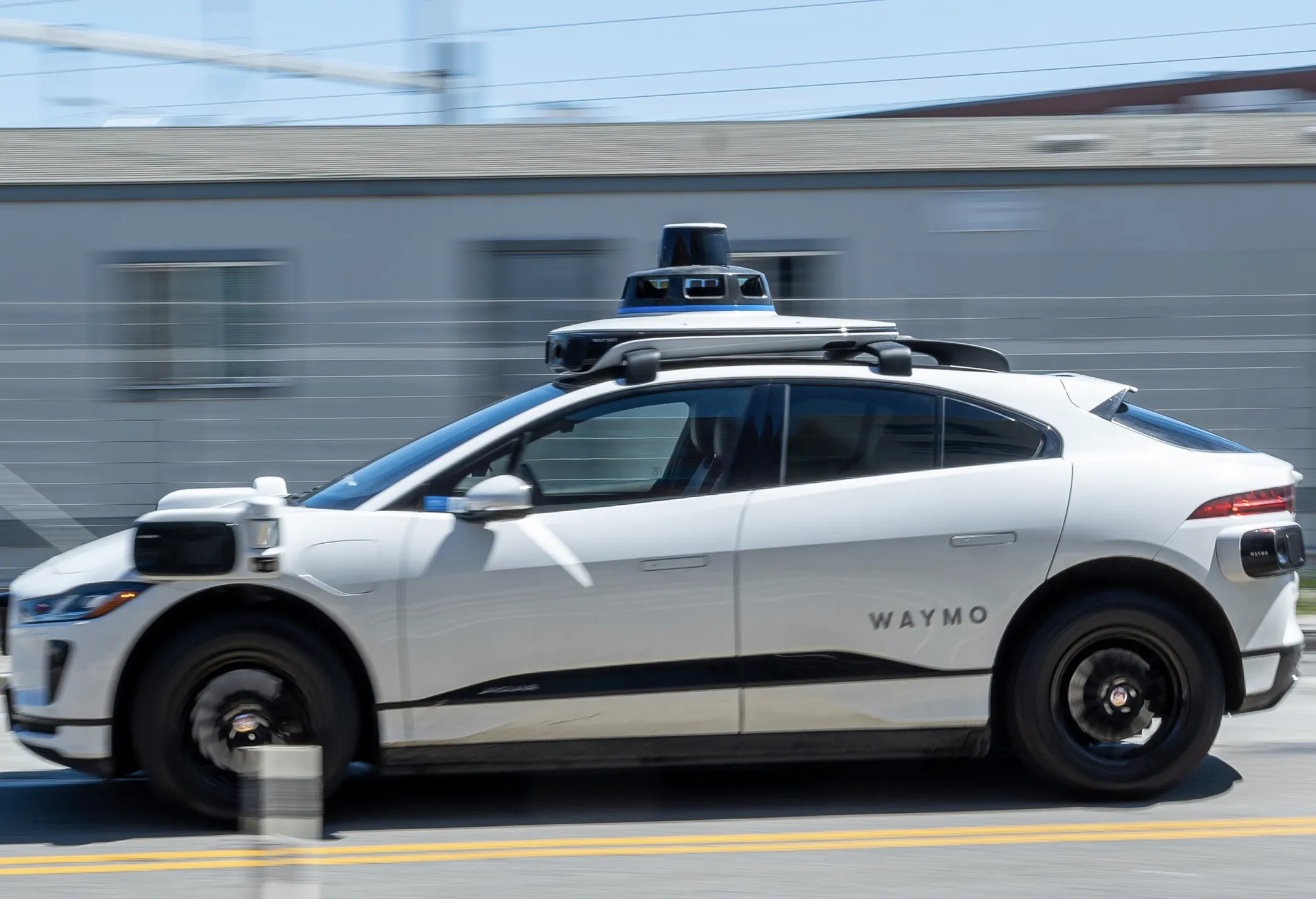
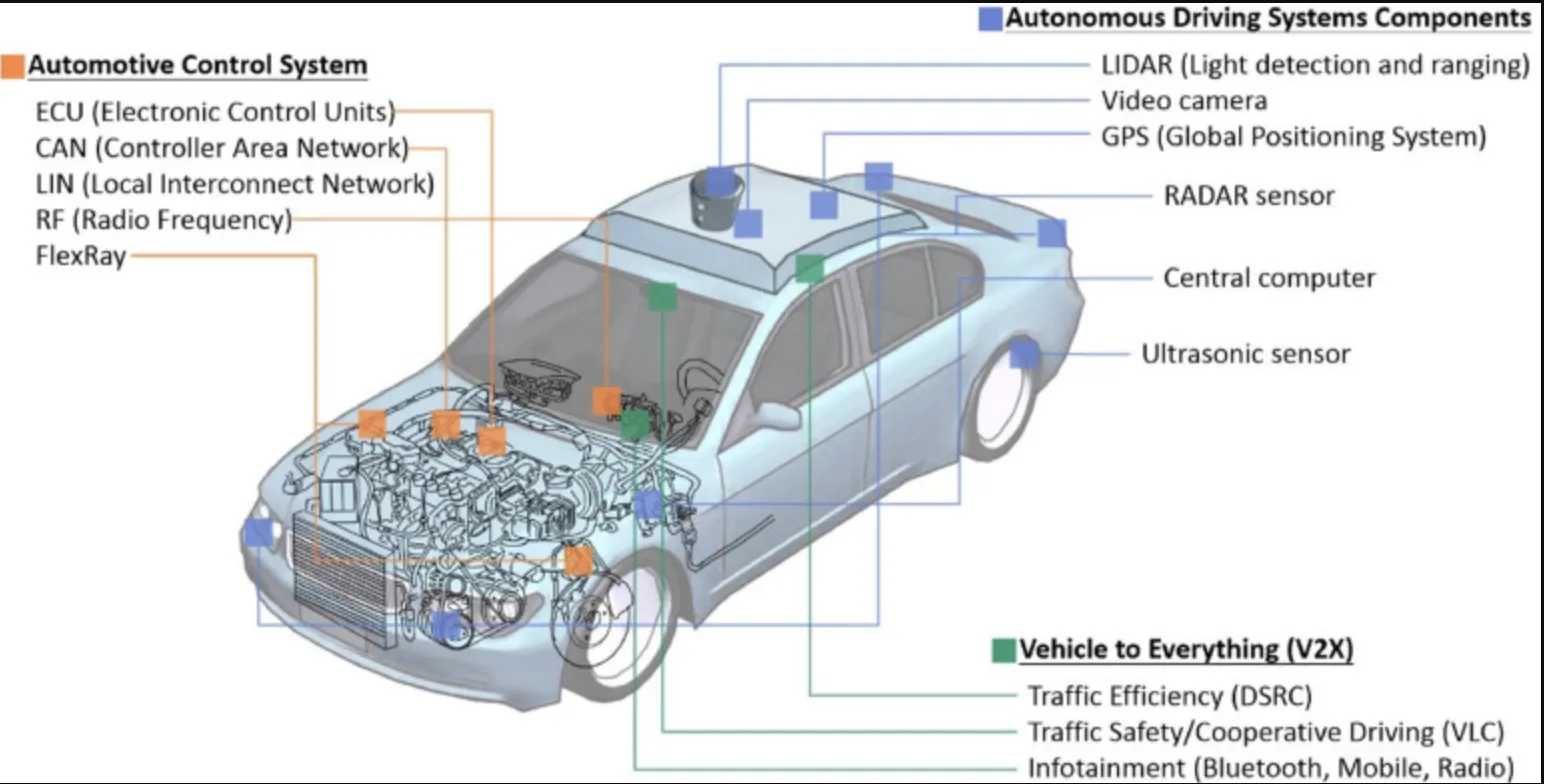
A robotaxi has to deal with everything from jaywalkers and reckless drivers to bad weather, road construction and emergency vehicles. Tesla's camera-heavy approach also differs from competitors such as Waymo, which uses lidar and radar alongside cameras.
Then comes an even stranger challenge: the passenger.
What happens when someone deliberately damages the vehicle, blocks its cameras, refuses to leave, attempts to interfere with its systems or uses the vehicle for something illegal? In a conventional taxi, there is a driver who can intervene. In a Cybercab, the passenger is effectively alone inside a moving computer.
Tesla already provides first-responder procedures and emergency documentation for its Robotaxi vehicles, while the wider autonomous industry is increasingly dependent on remote assistance operators when vehicles encounter situations they cannot confidently resolve.
The Global Problem Nobody Can Code Away
This becomes particularly complicated outside tightly controlled American pilot markets.
A robotaxi operating in a city where vandalism, fraud, harassment or deliberate vehicle interference is more common could face an entirely different threat model. Someone could intentionally obstruct the car, damage sensors, manipulate passengers, exploit emergency procedures or simply discover ways of turning an autonomous vehicle's predictable behaviour against it.
That doesn't mean robotaxis cannot work in such markets. It means autonomous driving will eventually need autonomous security.
Geofencing, passenger identification, internal cameras, tamper detection, remote intervention and rapid law-enforcement coordination could become just as important as the driving algorithm.
Also Read: How Texas Attorney General Affects The Citizens Social and Financial Life
Tesla's Real Test
Tesla still has plenty to prove. Regulators are already evaluating the Cybercab rollout, particularly because a vehicle without conventional driving controls sits awkwardly alongside existing federal safety requirements. Production scale is another hurdle: Tesla has pushed back its previous timeline for volume production of the Cybercab as it works through battery and manufacturing constraints.
And there is a more fundamental question: can Tesla make autonomy boring?
That is ultimately the benchmark. Not whether a Cybercab can impress passengers on a controlled Austin route, but whether millions of rides can happen without passengers thinking about the technology at all.
If Tesla succeeds, the Cybercab could be less important as a vehicle than as the beginning of a new transportation infrastructure. If it fails, the problem may not be that the cars cannot drive themselves.
It may be that the world isn't quite ready to behave around cars that do.

Stay updated with our latest news and articles. Join our newsletter!
Trending Now
No trending posts found.
Related Articles
Debug: Tags used: Tesla Cybercab, Tesla Robotaxi, Cybercab launch, autonomous taxis, self-driving cars, Tesla autonomous driving, robotaxi future, Tesla Robotaxi app, autonomous vehicles, self-driving taxi, Cybercab challenges, future of transportation, Tesla Cybercab safe