

The Rise of Gautam Adani: How the Adani Empire Grew So Fast
2026-06-03
Critics, however, view the relationship differently. Opposition leaders and watchdog groups have repeatedly raised concerns over corporate favoritism, government contracts, and the growing concentration of wealth and influence among a small group of billionaires. These accusations however fueled accusations of crony capitalism, particularly as certain conglomerates have expanded into multiple strategic sectors simultaneously.
The debate has become one of modern India’s defining political and economic discussions. To some, it reflects a nation accelerating toward global superpower status. To others, it raises questions about whether political influence and corporate power are becoming too closely intertwined.
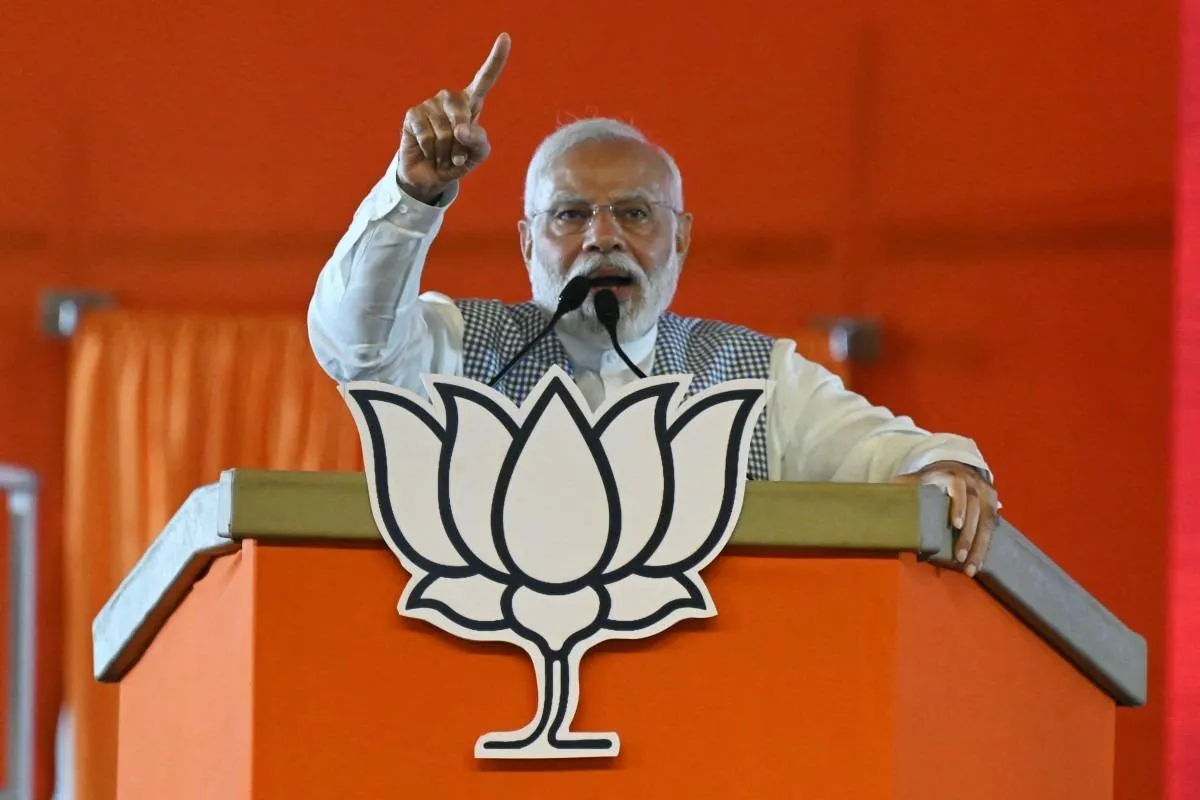
Adani’s Rapid Expansion: Too fast too soon?
Over the last decade, Gautam Adani and the Adani Group have transformed from a major infrastructure player into one of India’s most dominant business empires. What began primarily in ports and logistics rapidly expanded into airports, energy, mining, media, cement, defense, data centers, and renewable technology. The speed and scale of this growth turned Adani into one of the wealthiest and most influential businessmen in the world.
Much of the group’s expansion aligned with sectors prioritized by the Indian government, particularly infrastructure and energy. As India pushed for modernization through airport privatization, industrial corridors, and large-scale renewable projects, the Adani Group secured several high-profile deals and strategic assets across the country. Supporters viewed this as evidence of aggressive business strategy and efficient execution in industries requiring enormous capital and risk-taking.
Critics, however, questioned how rapidly the conglomerate was able to scale across so many sectors simultaneously. Political opponents and analysts pointed to the group’s growing presence in nationally significant industries, arguing that its rise reflected unusually favorable conditions and close proximity to political power. These concerns intensified as Adani became increasingly tied to discussions surrounding wealth concentration, influence, and corporate access within India’s economic system.
Despite the heavy criticism, Adani group continued to position itself as a central force in India's long term infrastructure solutions. Whether viewed as a symbol of national growth or a case study in corporate influence, Adani’s expansion remains one of the defining business stories of modern India.
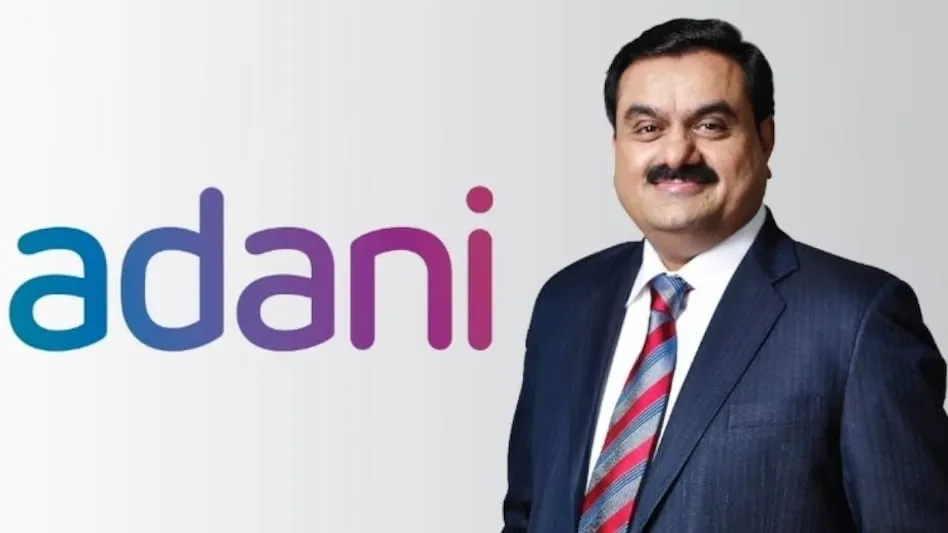
Scrutiny of Business–Government Connections
Few topics have generated as much debate in recent years as the relationship between India's largest corporations and the ruling BJP government. Critics have frequently pointed to the rapid growth of conglomerates such as the Adani Group and Reliance Industries as evidence of what they describe as crony capitalism, a system in which businesses are perceived to benefit from close ties to political power.
Much of this criticism surrounding Gautam Adani stems from the extraordinary pace at which his business empire has expanded across multiple sectors. From ports to power generators, airports, media, telecommunications and renewable energy. The Adani group grew significantly during the time BJP was also having its moment. Opposition leaders and activists have repeatedly questioned whether government policies, privatization initiatives, and regulatory decisions disproportionately benefited certain corporate groups.
Supporters of the government clearly reject all these claims, arguing that India’s infrastructure ambitions require large companies to execute these kinds of projects on a national scale. They contend that the success of firms such as Adani and Reliance is a reflection of business strategy, investment capacity, and execution rather than political favouritism.
Despite years of accusations and political attacks, no court has been able to prove that either the BJP or various business moguls such as Adani himself have participated in any illegal collusion.
Despite this, the perception of a close relationship still remains on the table and field one of the most contentious debates in modern Indian politics.
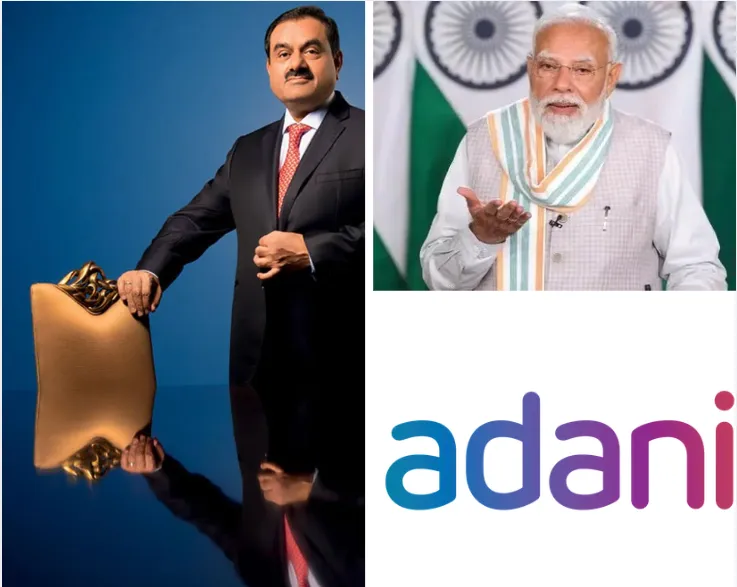
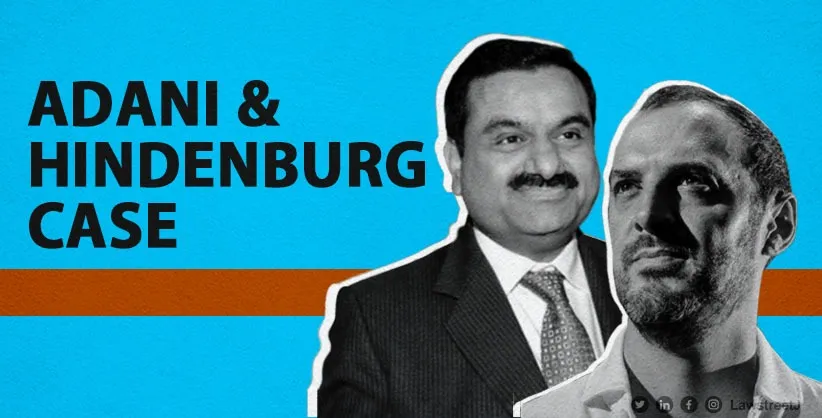
The Hindenburg Controversy: Manipulation Manifesto
The debate surrounding Gautam Adani’s rise reached a turning point in January 2023 when US Based short selling firm Hindenburg Research published a report accusing the Adani Group of stock manipulation, accounting irregularities and various use of offshore shell entities. The report claimed that the conglomerate's market value had been artificially inflated over a prolonged period, raising concerns among investors and regulators worldwide.
These allegations sent shockwaves through various financial markets. Within days, Adani Group companies lost billions of dollars in market capitalization. While Gautam’s personal wealth saw a steep decline. The controversy quickly evolved beyond a corporate dispute, becoming a major political issue in India due to the long-standing perception of Adani's closeness to the BJP leadership.
The Adani Group strongly rejected the report, describing it as a deliberate attack on the company and on India's economic growth story. Company representatives argued that the allegations were based on selective information, outdated claims, and misunderstandings of Indian regulations. Adani also released detailed responses contesting the findings and defending its corporate governance practices.
Opposition parties seized upon the controversy, demanding investigations into both the allegations and the relationship between the government and the Adani Group. Parliamentary debates, public protests, and extensive media coverage kept the issue in the national spotlight for months, turning what began as a financial report into one of the most significant political controversies of recent years.
While the Hindenburg report intensified scrutiny of the Adani Group, it also highlighted the broader questions surrounding corporate transparency, regulatory oversight, and the relationship between political power and economic influence. Even as the immediate market turbulence subsided, the controversy left a lasting impact on public discussions about business, accountability, and corporate governance in India.
The Intersection of Business, Power, and Politics
The relationship between business and politics has always worked hand in hand in shaping nations, especially for India. As the country pursues ambitious goals in infrastructure, manufacturing, energy, and technology, large corporations have become increasingly important partners in driving economic growth. However, the growing influence of a handful of powerful business groups has also sparked concerns about the balance between economic development and political influence.
The rise of conglomerates such as the Adani Group and Reliance Industries has intensified this discussion. Their expansion into critical sectors of the economy has coincided with a period of strong political stability under the BJP, leading many observers to question whether corporate success and political power have become too closely intertwined. Critics argue that excessive concentration of wealth and influence can reduce competition, limit opportunities for smaller businesses, and create perceptions of unequal access to decision-makers.
Supporters of the current economic model offer a different perspective. They argue that large-scale infrastructure projects, energy transitions, and global investment opportunities require companies with the financial strength and operational capacity to execute them. From this viewpoint, the success of India's largest corporations reflects the country's broader economic ambitions rather than political favouritism.
The debate ultimately extends beyond any single company or government. It raises fundamental questions about transparency, accountability, competition, and the role of corporate influence within a democratic system. As India's economy continues to expand, discussions surrounding the intersection of business, power, and politics are likely to remain at the center of the national conversation.
Whether viewed as a necessary partnership for development or a potential challenge to fair competition, the relationship between political authority and corporate power remains one of the defining issues of modern India.
If you enjoyed reading this article, we're sure you will like another article on Zohran!
Conclusion
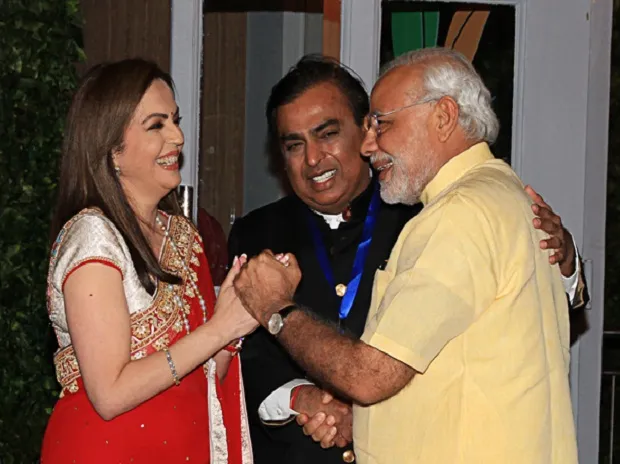
The rise of Gautam Adani and Mukesh Ambani alongside India's transformation into one of the world's fastest-growing major economies has become a subject of intense public debate. For supporters, these business leaders represent the scale, ambition, and investment needed to drive infrastructure development, technological progress, and economic growth. For critics, their rapid expansion raises important questions about corporate influence, political proximity, and the concentration of economic power.
Controversies such as the Hindenburg report, opposition allegations of crony capitalism, and ongoing discussions about government policy have only deepened scrutiny of the relationship between big business and political leadership. While many accusations remain contested and no conclusive evidence has proven illegal collusion between these corporations and the government, public perception continues to shape the conversation.
Ultimately, the discussion is mainly about the role that major corporations play in politics. The safeguards needed to ensure transparency and fair competition, and how a rapidly developing nation balances economic growth with public accountability. As India continues its ascent on the global stage, these questions are likely to remain as relevant as ever.
By Siddhant Kohli

Stay updated with our latest news and articles. Join our newsletter!
Trending Now
No trending posts found.